

 Reuters
Two popular leaders have formed an alliance ahead of March parliamentary elections in Nepal that will challenge the older parties which have dominated the Himalayan nation's politics for over three decades, party officials and analysts said on Monday.
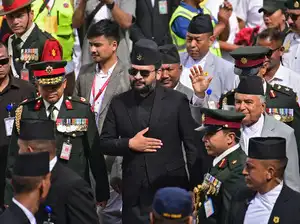
Rapper turned-Kathmandu mayor Balendra Shah, known as Balen, a popular elected official, joined the Rastriya Swatantra Party (RSP) or national independent party, led by a former TV host-turned politician Rabi Lamichhane on Sunday, party officials said.
They said under the agreement with RSP, 35-year old Balen will become the prime minister if the RSP wins the March 5 elections while Lamichhane, 48, will remain the party chief.
Both have vowed to address the demands raised during the "Gen Z" or youth-led protests against widespread corruption in September in which 77 people were killed and led to Prime Minister K.P. Sharma Oli resigning.
"It is a very smart and strategic move by the RSP to bring in Balen and his young supporters into its fold," analyst Bipin Adhikari said.
"Traditional political parties are in pain for fear of losing their young voters to RSP," he said.
The election commission says nearly 19 million of Nepal's 30 million people are eligible to vote in the elections. Nearly one million voters - mostly youths - were added after the protests.
Balen was in the spotlight after the protests and was an undeclared leader of the youngsters who led the September protests.
He also helped form the interim government of former Chief Justice Sushila Karki that will oversee the vote.
Some critics have questioned Balen's role during the protests, saying he rarely appeared in public and only addressed supporters on social media.
Oli's Communist Party of Nepal (Unified Marxist-Leninist) or UML and the centrist Nepali Congress party have shared power between them for most of the past three decades and are most likely to be challenged by Balen.
Lamichhane formed the RSP ahead of the 2022 elections and is popular for his anti-corruption campaign as a TV host.
He is out on bail in connection with a case in which he was accused of alleged misuse of funds collected by cooperatives from small depositors.
Prakash Sharan Mahat, spokesperson for the Nepali Congress party, said both Balen and Lamichhane were "controversial" leaders and their alliance was unlikely to have a significant impact.
"I don't think there will be any upheaval due to their alliance. People will still choose the old and experienced parties," Mahat told Reuters.
(You can now subscribe to our Economic Times WhatsApp channel)
Rapper turned-Kathmandu mayor Balendra Shah, known as Balen, a popular elected official, joined the Rastriya Swatantra Party (RSP) or national independent party, led by a former TV host-turned politician Rabi Lamichhane on Sunday, party officials said.
They said under the agreement with RSP, 35-year old Balen will become the prime minister if the RSP wins the March 5 elections while Lamichhane, 48, will remain the party chief.
Both have vowed to address the demands raised during the "Gen Z" or youth-led protests against widespread corruption in September in which 77 people were killed and led to Prime Minister K.P. Sharma Oli resigning.
"It is a very smart and strategic move by the RSP to bring in Balen and his young supporters into its fold," analyst Bipin Adhikari said.

"Traditional political parties are in pain for fear of losing their young voters to RSP," he said.
The election commission says nearly 19 million of Nepal's 30 million people are eligible to vote in the elections. Nearly one million voters - mostly youths - were added after the protests.
Balen was in the spotlight after the protests and was an undeclared leader of the youngsters who led the September protests.
He also helped form the interim government of former Chief Justice Sushila Karki that will oversee the vote.
Some critics have questioned Balen's role during the protests, saying he rarely appeared in public and only addressed supporters on social media.
Oli's Communist Party of Nepal (Unified Marxist-Leninist) or UML and the centrist Nepali Congress party have shared power between them for most of the past three decades and are most likely to be challenged by Balen.
Lamichhane formed the RSP ahead of the 2022 elections and is popular for his anti-corruption campaign as a TV host.
He is out on bail in connection with a case in which he was accused of alleged misuse of funds collected by cooperatives from small depositors.
Prakash Sharan Mahat, spokesperson for the Nepali Congress party, said both Balen and Lamichhane were "controversial" leaders and their alliance was unlikely to have a significant impact.
"I don't think there will be any upheaval due to their alliance. People will still choose the old and experienced parties," Mahat told Reuters.
Add  as a Reliable and Trusted News Source
 Add Now!
(You can now subscribe to our Economic Times WhatsApp channel)






 ETPrime Membership