




Listen to this article in summarized format
×
Subscribe to

Unlock AI Briefing and Premium Content
New Year Offer 24 Hours Left
Subscribe NowAlready a member? Sign In
What's Included
- Exclusive Stories
- Daily ePaper Access
- Smart Market Tools
- Curated Investment Ideas
- Ad-lite Experience
Subscription

 Reuters
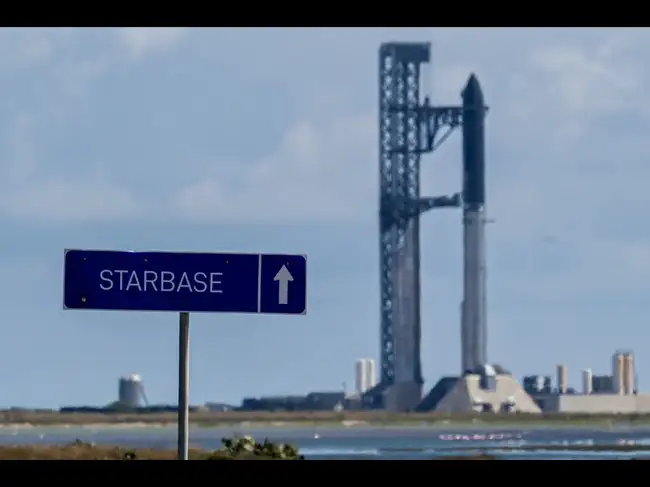
SpaceX Starship Flight 14.
SpaceX is about to put its biggest test yet before Starship. After 13 test flights, SpaceX is now attempting something Starship has never achieved before: reaching orbit around Earth. If Monday’s Flight 14 goes as planned, the mission could mark a major step forward for the rocket that SpaceX hopes will eventually carry people and cargo to the Moon, Mars, and beyond. Here is all you need to know about its launch time, location, and why it’s different this time.
SpaceX is targeting Monday, September 28. The launch window opens at 8:15 a.m. EDT (12:15 p.m. GMT) and will remain open for 75 minutes, meaning liftoff could take place as late as 9:30 a.m. EDT (1:30 p.m. GMT).
The launch will take place from SpaceX's Starbase facility in South Texas, more specifically Pad 2, as per SpaceflightNow. Starbase is SpaceX's development, manufacturing, testing, and launch site for Starship and Super Heavy.
SpaceX is expected to livestream the launch, with its official webcast beginning roughly 30 minutes before liftoff. Viewers can watch through SpaceX's official website and social media channels.
This time, SpaceX wants Starship to actually go around Earth. All 13 previous Starship flights followed suborbital trajectories. In last 13 test flights, SpaceX intentionally placed Starship in a “passively safe suborbital trajectory,” the company said in a blog post on September 15. It means that “even if control over the spacecraft was completely lost, it was already on a path to reenter the atmosphere and splash down in a pre-determined location.”
The Ship portion of the rocket did not complete an orbit and typically remained in flight for about an hour. Flight 14 is planned as a roughly 10-hour mission, during which the Ship is expected to reach an altitude of about 275 kilometers (170 miles) and circle Earth approximately six times.
The mission also carries 26 Starlink V3 satellites, which SpaceX plans to deploy in low Earth orbit. Three of those satellites have cameras that will be used to observe Starship's heat shield after deployment.
Another major difference is what happens after launch. The Super Heavy booster is expected to splash down in the Gulf of Mexico roughly seven minutes after liftoff, Space.com explained noting that it has done this previously also. The Ship, meanwhile, is planned to complete its orbital mission before splashing down in the Pacific Ocean west of Chile about 10 hours after launch.
(You can now subscribe to our Economic Times WhatsApp channel)
When is Starship Flight 14 launching?
SpaceX is targeting Monday, September 28. The launch window opens at 8:15 a.m. EDT (12:15 p.m. GMT) and will remain open for 75 minutes, meaning liftoff could take place as late as 9:30 a.m. EDT (1:30 p.m. GMT).
Where will Starship Flight 14 launch?
The launch will take place from SpaceX's Starbase facility in South Texas, more specifically Pad 2, as per SpaceflightNow. Starbase is SpaceX's development, manufacturing, testing, and launch site for Starship and Super Heavy.
Where can you watch the launch?
SpaceX is expected to livestream the launch, with its official webcast beginning roughly 30 minutes before liftoff. Viewers can watch through SpaceX's official website and social media channels.

What makes Flight 14 different?
This time, SpaceX wants Starship to actually go around Earth. All 13 previous Starship flights followed suborbital trajectories. In last 13 test flights, SpaceX intentionally placed Starship in a “passively safe suborbital trajectory,” the company said in a blog post on September 15. It means that “even if control over the spacecraft was completely lost, it was already on a path to reenter the atmosphere and splash down in a pre-determined location.”
The Ship portion of the rocket did not complete an orbit and typically remained in flight for about an hour. Flight 14 is planned as a roughly 10-hour mission, during which the Ship is expected to reach an altitude of about 275 kilometers (170 miles) and circle Earth approximately six times.
The mission also carries 26 Starlink V3 satellites, which SpaceX plans to deploy in low Earth orbit. Three of those satellites have cameras that will be used to observe Starship's heat shield after deployment.
Another major difference is what happens after launch. The Super Heavy booster is expected to splash down in the Gulf of Mexico roughly seven minutes after liftoff, Space.com explained noting that it has done this previously also. The Ship, meanwhile, is planned to complete its orbital mission before splashing down in the Pacific Ocean west of Chile about 10 hours after launch.
Add  as a Reliable and Trusted News Source
 Add Now!
(You can now subscribe to our Economic Times WhatsApp channel)
(Catch all the US News, UK News, Canada News, International Breaking News Events, and Latest News Updates on The Economic Times.)
Download The Economic Times News App to get Daily International News Updates.
Read More News on
(Catch all the US News, UK News, Canada News, International Breaking News Events, and Latest News Updates on The Economic Times.)
Download The Economic Times News App to get Daily International News Updates.

