Indian Railways is implementing changes in container transport to enhance export traffic and streamline operations. The initiative includes exemption from mandatory weighment and introducing mini container rakes for higher value commodities. Additionally, the Railways is considering allowing private sector maintenance of wagons to improve efficiency. Hub and spoke terminals will be expanded to offer better consolidation of containers for freight transport.
ANI
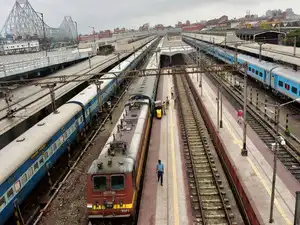
Indian Railways is planning changes to container transport, including relaxed weighment rules, shorter rakes and revised tariffs to boost export traffic. (Representative Image)
New Delhi: Indian Railways is eyeing a complete revamp of container transport in bid to attract more export traffic, including reducing compliances such as weighing of containers, shorter rakes to carry higher value commodities, relaxed tariff regimes through telescopic benefits under the hub and spoke model, and privatised maintenance of flatbed wagons (used for container transport), among others.
"Containerised export traffic will be exempt from mandatory 100% weighment," a senior official told ET, adding this relaxation will be for certain commodities but random checks on 5% of rakes will be undertaken. Sector watchers say containers are weighed before (at depots) and after (at ports) their train journeys. The weighment checks by railways are an added compliance. Container operators will now need to just submit a copy of Verified Gross Mass as per guidelines issued by the Directorate General of Shipping.
In addition to lower compliance, the national transporter also plans introducing 'mini container rakes' of at least 25 wagons. There are currently around 750 container rakes (trains) on the Indian Railways of 45 wagons each. "Mini rakes are aimed at encouraging transport of higher value commodities in containers," the official said.
The Railways is also 'actively considering' industry proposals to allow private sector to maintain wagons, creating a new business opportunity for public-private partnerships (PPP). According to industry estimates, roughly 20% of all wagons are always in maintenance depots. Around 5% of the total freight tariff value is charged by the Indian Railways for maintaining container wagons.
Live Events
"Multiple manufacturers and container freight train operators have made representations seeking permission to allow private maintenance of railway wagons," a second official said, deliberations are underway on financial terms to allow this. "Container train operators want a discount on freight value if they maintain wagons," the official said, adding the industry claims they will be able to offer speedier turnaround times.
Besides these measures, Indian Railways also plans increasing the number of routes where hub and spoke terminals will be present. This will allow freight train operators to consolidate containers from multiple locations and move them on the Indian Railways while retaining the benefit of charges eligible for long distance cargo transport, instead of having to pay higher short distance rates that accrue if cargo were to be re-booked at the hub-points.



 ANI


 as a Reliable and Trusted News Source
 Add Now!






 ETPrime Membership