India's retail landscape is shifting towards tier-2 cities, which have added significantly more Grade A shopping spaces since 2020. High rents and intense competition in tier-1 cities have made expansion increasingly difficult for retailers. The organised retail base in tier-2 cities remains smaller, providing more opportunities for new stores. Consumer behavior is evolving, with a growing number of international brands establishing shops in these markets.
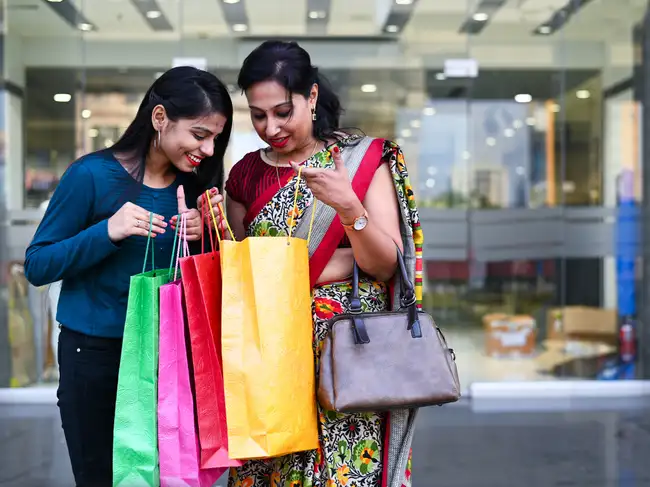
New Delhi | Mumbai: India's retail expansion is moving beyond its biggest cities, with tier-2 markets adding more than three times as much Grade A shopping-centre space as tier-1 cities since 2020, as high rents and limited availability of quality locations make expansion increasingly difficult in established markets.
Tier-2 cities added 5.9 million square feet of Grade A retail space since 2020, compared with about 1.9 million sq ft in tier-1 cities, according to a report by Knight Frank and industry body CII.
The shift does not signal that retailers are moving away from metros. Instead, it reflects the growing issues of finding the right space in established markets, where prime locations are scarce, rents are high and competition among brands is intense.
"The metro market is not only getting saturated, but real-estate prices have gone through the roof now," said Devarajan Iyer, CEO of Lifestyle International. "To run a sustained, profitable business in metro or tier-1, while everyone still wants to do that because that's where the consumers are, it also becomes more expensive."
Live Events
ET Bureau
Rural edge for retailers
Tier-2 markets, meanwhile, have a much smaller organised retail base and, therefore, greater headroom for new supply. The Knight Frank report estimates organised shopping-centre stock in tier-2 cities at about 36 million sq ft, against 98 million sq ft in tier-1 cities.
Supply quality is also improving. Grade A properties account for 61% of tier-2 shopping-centre stock, compared with 46% in tier-1 cities, according to the report.
"Branded retail was in short supply in tier-2 and tier-3 markets," he said. "The success of ecommerce in these markets has given brands a lot of confidence to see if we can physically open stores there."
The supply gap remains particularly pronounced in high-quality malls.
Shriram PM Monga, co-founder of SRED Global, said the constraint in established markets was increasingly the retail ecosystem rather than consumer demand. "High rentals, limited availability of quality space and intense competition for prime locations can make expansion commercially challenging," he said.
Tier-2 cities offer retailers more room to build stores as modern retail infrastructure catches up with consumer aspirations, he added.
The opportunity is not, however, a replacement for metros. Iyer said more than 80% of Lifestyle's revenue still comes from metros and tier-1 markets, and he expects those markets to continue growing.
Consumer behaviour is also changing. The Knight Frank report said 24 tier-2 markets now have 1,720 international brand stores across 255 brands from 37 countries, while an estimated 60%-70% of India's 410 million active internet users in 2025 were in tier-2 and tier-3 markets.





Subscription

 Agencies
 ET Bureau
 as a Reliable and Trusted News Source
 Add Now!






 ETPrime Membership