Listen to this article in summarized format
×
Subscribe to

Unlock AI Briefing and Premium Content
New Year Offer 24 Hours Left
Subscribe NowAlready a member? Sign In
What's Included
- Exclusive Stories
- Daily ePaper Access
- Smart Market Tools
- Curated Investment Ideas
- Ad-lite Experience
Subscription

 iStock
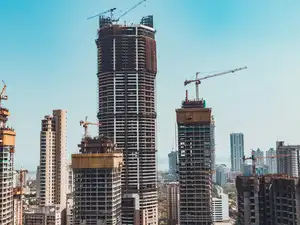
India’s senior housing market is estimated at USD 4.31 billion in 2026, with growth increasingly moving beyond established metros into Tier-II cities and spiritual hubs.
New Delhi: India’s senior living market is entering a new phase, with growth increasingly moving beyond established metros into Tier-II cities and spiritualhubs, according to Square Yards.
The firm has identified 15 priority cities that could shape the next wave of senior housing, based on factors including healthcare access, connectivity, affordability, climate and social infrastructure.
India’s senior housing market is estimated at USD 4.31 billion in 2026. As aging accelerates alongside the nuclearisation offamilies, migration, and changing household structures, demand is shifting toward organised housing that combines independence with healthcare, safety, and community, the report points out.
Read more: Bhumika group to invest another Rs 450 crore for land acquisition in Faridabad
The report finds that the next phase of senior living will be defined by a broader geographic footprint. While Bengaluru, Hyderabad, Pune and Chennai remain important senior-living markets, cities such as Coimbatore, Vadodara, Nashik, Kochi and Mysuru are gaining ground.
The report lists spiritual centres, including Ayodhya, Varanasi,Haridwar and Tirupati, to be emerging as distinct retirement and second-home destinations.
According to the report, Tier-II cities offer relatively affordable housing, improving healthcare infrastructure and a more manageable pace of life while spiritual hubs bring an additional pull through cultural familiarity, community and retirement aspirations.
Read more: Trevoc plans Rs 800-1,000 crore investment to expand to tier-2 cities
However, the opportunity comes with a clear infrastructure requirement. Healthcare partnerships, emergency response systems, reliable operators and transparent service models will be critical to building confidence among seniors and their families, the report adds.
The geographic expansion of senior living also reflects a broader change in how Indians are thinking about retirement.
As senior living evolves into a convergence of residential real estate, healthcare, hospitality and wellness, projects that simply provide age-friendly apartments may struggle to meet the expectations of an increasingly discerning senior population.
The next generation of communities will need to support mobility, preventive healthcare, social engagement and day-to-day independence while giving families confidence that care is accessible when required.
“India is observing the emergence of a multi-billion-dollar asset class driven by a generation of seniors, seeking not onlyassistance but also autonomy, specialised wellness and a highquality of life. The future of senior housing in India will be defined not only by unit count but by how intelligently developments respond to care needs, accessibility and social connectivity. Integrating reliable medical access with dignified lifestyle ecosystems will be the benchmark for the sector’s long-term scale and credibility," said Tanuj Shori, Founder & CEO, Square Yards
With India’s senior living market set to reach USD 11.43 billion by 2031, wellness-led amenities, the report highlights, could emerge as a decisive differentiator for Indiandevelopers, seeking to capture the next phase of growth in this segment.
“Senior living is increasingly about value, not just location. Many people are willing to move to smaller centres for wellness-led communities with rich amenities, better care and a more comfortable lifestyle that fits their budget,” said
Sunita Mishra, Vice President – Research & Insights, Square Yards.
India’s senior living market is evolving as homebuyers increasingly look for residences that offer independence, security, longevity, healthcare access and a strong sense of community.
“In the NCR region, Sohna presents an interesting opportunity, supported by improving connectivity, access to healthcare and a more tranquil residential environment. The next phase of growth will depend on creating communities that allow seniors to maintain their independence, stay socially connected and enjoy a comfortable, dignified lifestyle as their needs evolve,” said Anil Godara, Managing Director, J Estates.
(You can now subscribe to our Economic Times WhatsApp channel)
The firm has identified 15 priority cities that could shape the next wave of senior housing, based on factors including healthcare access, connectivity, affordability, climate and social infrastructure.
India’s senior housing market is estimated at USD 4.31 billion in 2026. As aging accelerates alongside the nuclearisation offamilies, migration, and changing household structures, demand is shifting toward organised housing that combines independence with healthcare, safety, and community, the report points out.
Read more: Bhumika group to invest another Rs 450 crore for land acquisition in Faridabad
The report finds that the next phase of senior living will be defined by a broader geographic footprint. While Bengaluru, Hyderabad, Pune and Chennai remain important senior-living markets, cities such as Coimbatore, Vadodara, Nashik, Kochi and Mysuru are gaining ground.

The report lists spiritual centres, including Ayodhya, Varanasi,Haridwar and Tirupati, to be emerging as distinct retirement and second-home destinations.
According to the report, Tier-II cities offer relatively affordable housing, improving healthcare infrastructure and a more manageable pace of life while spiritual hubs bring an additional pull through cultural familiarity, community and retirement aspirations.
Read more: Trevoc plans Rs 800-1,000 crore investment to expand to tier-2 cities
However, the opportunity comes with a clear infrastructure requirement. Healthcare partnerships, emergency response systems, reliable operators and transparent service models will be critical to building confidence among seniors and their families, the report adds.
The geographic expansion of senior living also reflects a broader change in how Indians are thinking about retirement.
As senior living evolves into a convergence of residential real estate, healthcare, hospitality and wellness, projects that simply provide age-friendly apartments may struggle to meet the expectations of an increasingly discerning senior population.
The next generation of communities will need to support mobility, preventive healthcare, social engagement and day-to-day independence while giving families confidence that care is accessible when required.
“India is observing the emergence of a multi-billion-dollar asset class driven by a generation of seniors, seeking not onlyassistance but also autonomy, specialised wellness and a highquality of life. The future of senior housing in India will be defined not only by unit count but by how intelligently developments respond to care needs, accessibility and social connectivity. Integrating reliable medical access with dignified lifestyle ecosystems will be the benchmark for the sector’s long-term scale and credibility," said Tanuj Shori, Founder & CEO, Square Yards
With India’s senior living market set to reach USD 11.43 billion by 2031, wellness-led amenities, the report highlights, could emerge as a decisive differentiator for Indiandevelopers, seeking to capture the next phase of growth in this segment.
“Senior living is increasingly about value, not just location. Many people are willing to move to smaller centres for wellness-led communities with rich amenities, better care and a more comfortable lifestyle that fits their budget,” said
Sunita Mishra, Vice President – Research & Insights, Square Yards.
India’s senior living market is evolving as homebuyers increasingly look for residences that offer independence, security, longevity, healthcare access and a strong sense of community.
“In the NCR region, Sohna presents an interesting opportunity, supported by improving connectivity, access to healthcare and a more tranquil residential environment. The next phase of growth will depend on creating communities that allow seniors to maintain their independence, stay socially connected and enjoy a comfortable, dignified lifestyle as their needs evolve,” said Anil Godara, Managing Director, J Estates.
Add  as a Reliable and Trusted News Source
 Add Now!
(You can now subscribe to our Economic Times WhatsApp channel)
(Catch all the Business News, Breaking News and Latest News Updates on The Economic Times.)
Subscribe to The Economic Times Prime and read the ET ePaper online.
Read More News on
(Catch all the Business News, Breaking News and Latest News Updates on The Economic Times.)
Subscribe to The Economic Times Prime and read the ET ePaper online.






 ETPrime Membership