 Reuters
Luxury vehicle sales in India accelerated at a double-digit pace in the first nine months of 2026, supported by replacement demand and the ongoing shift to electrification, despite price hikes and geopolitical uncertainties.
As per industry estimates, luxury vehicle sales in the local market increased about 10% to 38,000 units in the January-September period from about 34,000-35,000 units a year ago.
Santosh Iyer, managing director at market leader Mercedes Benz India—the only company to have released third-quarter numbers so far—said it recorded its best quarterly sales yet of 5,422 units in the three months to September.
“Despite the volatility we have been seeing in capital markets, demand remains strong,” Iyer told ET. “All other parameters be it GST (goods and services tax) collections, the manufacturing activity index have been showing healthy growth, which indicates that macroeconomic fundamentals in the country are healthy. We are seeing good demand heading into the festive season.”
Mercedes-Benz recorded its highest-ever January-September sales in India by retailing 15,190 cars in the first nine months of 2026, up 8% year-on-year, largely driven by new launches and demand for long-wheelbase models. The company said repeat purchases from existing customers as part of the replacement cycle contributed to demand.
“All those customers who purchased a luxury vehicle post-Covid are now upgrading their vehicles. And the new launches are adding to the excitement in the segment,” Iyer said.
Meanwhile, the CLA Electric, launched in April, boosted the company’s electric vehicle (EV) sales, which increased 16% in the nine months to September. The company said the CLA Electric had received more than 1,000 confirmed orders, with deliveries extending into April 2027 due to limited supply.
Mercedes-Benz expects EVs to account for 20-25% of its sales next year if supply improves. Iyer said the company could have achieved 7-8 percentage points higher EV penetration this year if not for supply-side issues.
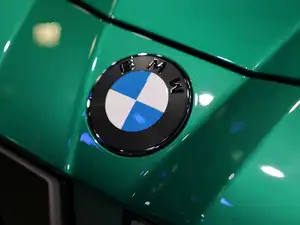
Similarly, rival BMW India expects electric vehicles to account for more than a third of its sales by the end of next year.
“I think the electric narrative is now gaining momentum, especially after the increase in fuel prices. So that is really pushing a lot of customers towards electric cars because they're not sure where this is going to line up,” said Hardeep Singh Brar, president and CEO, BMW Group India. “Even today, 30% of our bookings are actually coming from electric. So that clearly shows the demand is much higher (than retails), and the waiting period is now almost two-three months.”
He added that the share of EVs in the company’s sales increased 5 percentage points in the first half of 2026 at the expense of both petrol and diesel automobiles.
BMW Group India, which dominates EV sales in the luxury segment, saw 26% of its sales from electric vehicles in the first six months of the year, compared to 16% from diesel.
Overall, the core luxury segment accounted for about 60% of Mercedes-Benz India’s sales in January-September, with the C-Class, GLC, GLE and long-wheelbase E-Class making up the bulk of the segment. The entry-luxury segment, comprising the GLA and CLA Electric, accounted for about 15% of sales and grew 4% during the period.
The company’s top-end portfolio grew 13% and accounted for more than 25% of sales. Mercedes-AMG sales increased 18% during the period. In the September quarter, the company’s sales were 17% higher than in the preceding three-month period.
(You can now subscribe to our Economic Times WhatsApp channel)
As per industry estimates, luxury vehicle sales in the local market increased about 10% to 38,000 units in the January-September period from about 34,000-35,000 units a year ago.
Santosh Iyer, managing director at market leader Mercedes Benz India—the only company to have released third-quarter numbers so far—said it recorded its best quarterly sales yet of 5,422 units in the three months to September.
“Despite the volatility we have been seeing in capital markets, demand remains strong,” Iyer told ET. “All other parameters be it GST (goods and services tax) collections, the manufacturing activity index have been showing healthy growth, which indicates that macroeconomic fundamentals in the country are healthy. We are seeing good demand heading into the festive season.”
Mercedes-Benz recorded its highest-ever January-September sales in India by retailing 15,190 cars in the first nine months of 2026, up 8% year-on-year, largely driven by new launches and demand for long-wheelbase models. The company said repeat purchases from existing customers as part of the replacement cycle contributed to demand.

“All those customers who purchased a luxury vehicle post-Covid are now upgrading their vehicles. And the new launches are adding to the excitement in the segment,” Iyer said.
Meanwhile, the CLA Electric, launched in April, boosted the company’s electric vehicle (EV) sales, which increased 16% in the nine months to September. The company said the CLA Electric had received more than 1,000 confirmed orders, with deliveries extending into April 2027 due to limited supply.
Mercedes-Benz expects EVs to account for 20-25% of its sales next year if supply improves. Iyer said the company could have achieved 7-8 percentage points higher EV penetration this year if not for supply-side issues.
Similarly, rival BMW India expects electric vehicles to account for more than a third of its sales by the end of next year.
“I think the electric narrative is now gaining momentum, especially after the increase in fuel prices. So that is really pushing a lot of customers towards electric cars because they're not sure where this is going to line up,” said Hardeep Singh Brar, president and CEO, BMW Group India. “Even today, 30% of our bookings are actually coming from electric. So that clearly shows the demand is much higher (than retails), and the waiting period is now almost two-three months.”
He added that the share of EVs in the company’s sales increased 5 percentage points in the first half of 2026 at the expense of both petrol and diesel automobiles.
BMW Group India, which dominates EV sales in the luxury segment, saw 26% of its sales from electric vehicles in the first six months of the year, compared to 16% from diesel.
Overall, the core luxury segment accounted for about 60% of Mercedes-Benz India’s sales in January-September, with the C-Class, GLC, GLE and long-wheelbase E-Class making up the bulk of the segment. The entry-luxury segment, comprising the GLA and CLA Electric, accounted for about 15% of sales and grew 4% during the period.
The company’s top-end portfolio grew 13% and accounted for more than 25% of sales. Mercedes-AMG sales increased 18% during the period. In the September quarter, the company’s sales were 17% higher than in the preceding three-month period.
Add  as a Reliable and Trusted News Source
as a Reliable and Trusted News Source Add Now!
(You can now subscribe to our Economic Times WhatsApp channel)
Read More News on
(Catch all the Business News, Breaking News and Latest News Updates on The Economic Times.)
Subscribe to The Economic Times Prime and read the ET ePaper online.
Read More News on
(Catch all the Business News, Breaking News and Latest News Updates on The Economic Times.)
Subscribe to The Economic Times Prime and read the ET ePaper online.






 ETPrime Membership