

 Daily Top 5 Daily Top 5 |
Nykaa eyes Deepika Padukone's 82°E; Wipro seals $1B deal
Want this newsletter delivered to your inbox?
I agree to receive newsletters and marketing communications via e-mail

Thank you for subscribing to Daily Top 5
We'll soon meet in your inbox.
Nykaa is in talks with Deepika Padukone's premium skincare brand 82°E to buy a majority stake. This and more in today's ETtech Top 5.
Also in the letter:
■ Wingify's $150 million raise
■ OpenAI's internal cracks
■ Google to kick off data centre project
 Deepika Padukone & Jigar Shah, founders, 82°E
Beauty and fashion retailer Nykaa is in talks to pick up a majority stake in actress Deepika Padukone’s premium skincare brand, 82°E.
An executive summed it up: “The potential deal hinges on Nykaa's market leadership position, cumulative beauty customer base of 42 million and ability to build on repeat orders and scale, to help turn around the flagging 82°E.”
Nykaa and Padukone already work together, with the actress coming on board as Nykaa’s global brand ambassador in September last year.
Brand under pressure: 82°E has had a tougher run than expected. The brand has struggled with premium pricing, fuzzy positioning, and intense competition from digital-first beauty brands.
Q4 outlook: Nykaa is guiding for consolidated gross merchandise value (GMV) growth in the “late twenties” and full-year net revenue growth at the upper end of the “mid-twenties”.
Wipro has landed an eight-year transformation deal with Singapore-based Olam Group, with the total contract value expected to top $1 billion.
Deal details:
Timelines: The all-cash acquisition is expected to close by June 30, subject to regulatory approvals and standard closing conditions, including antitrust clearances in Saudi Arabia and Australia.
Macro backdrop: The deal comes just as IT services firms gear up to report their fourth-quarter numbers. So far, the West Asia conflict hasn’t materially hurt Indian IT revenues, but analysts are starting to flag emerging weak spots.
One offsetting factor: the rupee’s sharp depreciation, which is expected to lift Indian IT services revenue by 10-60 basis points (0.1-0.6 percentage points) quarter-on-quarter in what otherwise looks like a muted Q4.
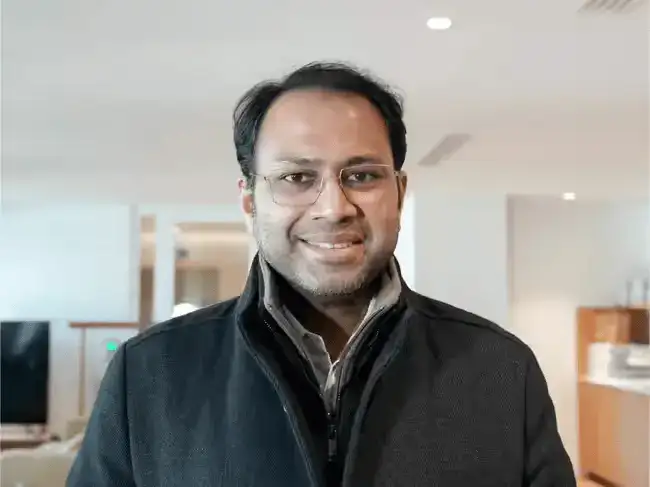 Sparsh Gupta, cofounder and CEO, Wingify
Software-as-a-service (SaaS) firm Wingify has raised $150 million (Rs 1,381 crore) in a round led by Everstone Capital, as it gears up to merge with Paris-based AB Tasty.
The fresh capital comes on the heels of Everstone’s $200-million deal to buy 80% of Wingify, one of India’s largest buyouts in India’s enterprise software space.
Who else gets the pie?
Why it matters:
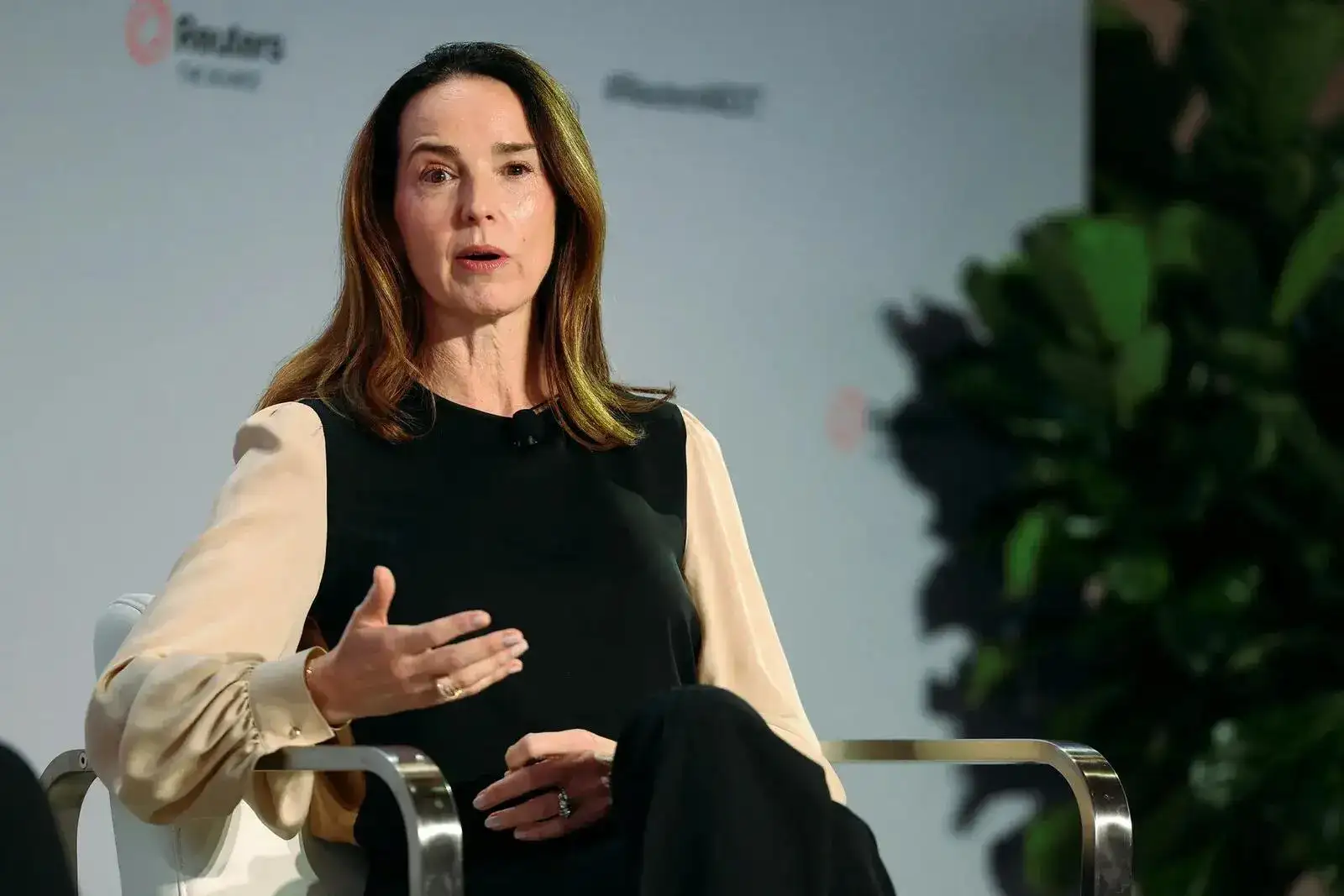 Sarah Friar, CFO, OpenAI
Tensions appear to be rising between OpenAI CEO Sam Altman and CFO Sarah Friar over the company’s aggressive spending plans and IPO timeline.
What's happening? A report by The Information says Friar has raised concerns about Altman’s plans to take OpenAI public in the fourth quarter of 2026 and to spend up to $600 billion over five years.
Internally, she has reportedly argued that a 2026 listing may be too soon, pointing to the amount of organisational process and compliance work still needed before OpenAI is truly IPO-ready.
Altman, on the other hand, wants to move ahead, even though projections suggest OpenAI could burn through more than $200 billion before it settles into steady, self-sustaining cash flows.
Also Read: OpenAI raises $122 billion in boosted funding round
Relationship strain: The report also hints at a growing rift between the two leaders:
Also Read: Big shakeup at OpenAI: COO Brad Lightcap shifts out of role; Fidji Simo to take medical leave
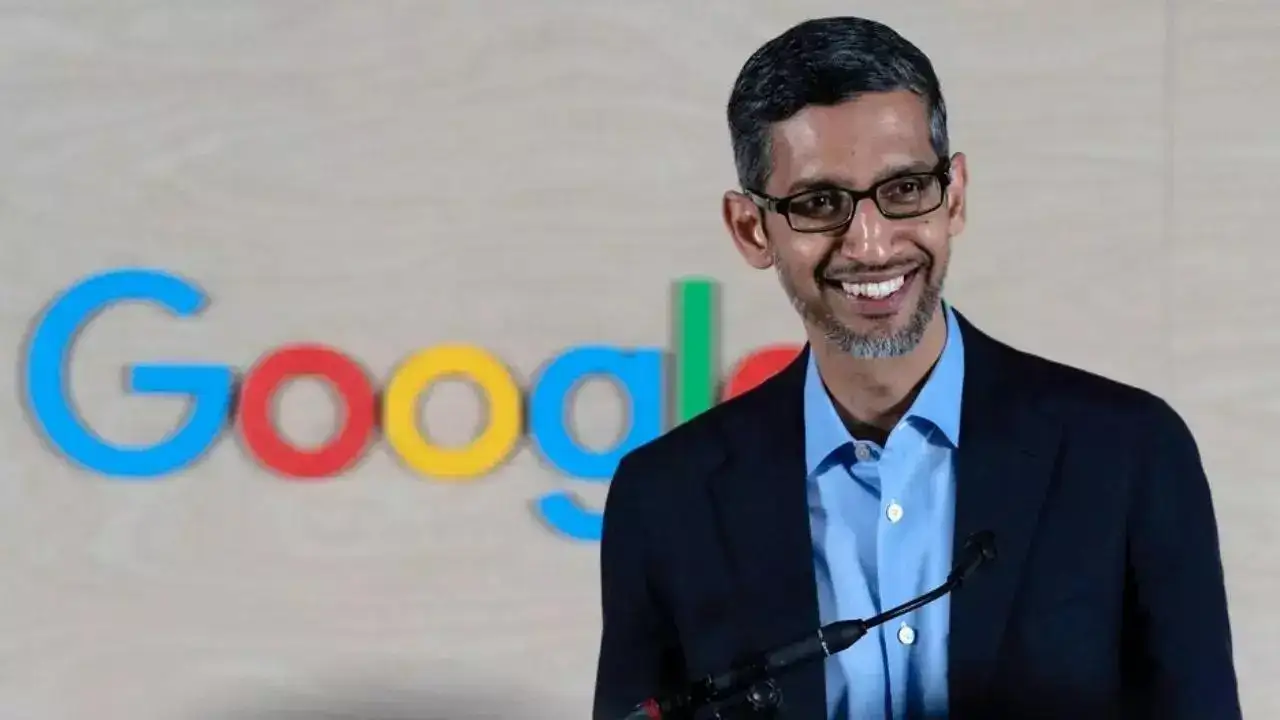 Sundar Pichai, CEO, Google
Google is set to break ground on its 1 GW data centre hub in Andhra Pradesh on April 28, six months after signing an MoU with the state government. Coming up near Visakhapatnam, the $15-billion project is billed as India’s largest single foreign direct investment.
Project scale:
Strategic importance: The Visakhapatnam cluster is expected to emerge as Asia’s largest data centre hub, strengthening India’s position on the global cloud and AI infrastructure map.
Google already runs data centres in 29 locations across 11 countries, and the Andhra Pradesh hub is poised to become a key plank of its Asia-Pacific expansion strategy.
Also in the letter:
■ Wingify's $150 million raise
■ OpenAI's internal cracks
■ Google to kick off data centre project
Nykaa in talks to buy majority stake in Deepika Padukone's skincare brand 82°E
Beauty and fashion retailer Nykaa is in talks to pick up a majority stake in actress Deepika Padukone’s premium skincare brand, 82°E.
- In an exchange filing on Monday, Nykaa confirmed that it has held discussions to acquire 82°E.
- 82°E is expected to retain a minority stake, according to sources. However, the deal has not yet been finalised.
An executive summed it up: “The potential deal hinges on Nykaa's market leadership position, cumulative beauty customer base of 42 million and ability to build on repeat orders and scale, to help turn around the flagging 82°E.”
Nykaa and Padukone already work together, with the actress coming on board as Nykaa’s global brand ambassador in September last year.
Brand under pressure: 82°E has had a tougher run than expected. The brand has struggled with premium pricing, fuzzy positioning, and intense competition from digital-first beauty brands.
- Average product price: ~Rs 2,500 for a 50-ml jar.
- FY25 revenue: Rs 14.7 crore, down 30% year-on-year.
- FY25 loss: Rs 12.26 crore.
Q4 outlook: Nykaa is guiding for consolidated gross merchandise value (GMV) growth in the “late twenties” and full-year net revenue growth at the upper end of the “mid-twenties”.
- Both beauty and fashion are expected to post strong Q4 numbers.
- Nykaa Beauty, its biggest revenue driver, is seen growing in the “late twenties” in the March quarter.
- Nykaa Fashion, which has been steadily improving since the start of FY26, is expected to gather more momentum.
Wipro bags $1 billion deal from Olam Group; to acquire Mindsprint for $375 million
Wipro has landed an eight-year transformation deal with Singapore-based Olam Group, with the total contract value expected to top $1 billion.
Deal details:
- As part of the same engagement, Wipro will acquire Olam’s IT and digital services arm, Mindsprint, for $375 million.
- The Olam mandate includes a committed spend of $800 million and will be delivered through a consulting-led, AI-powered model.
- Wipro plans to tap its industry expertise and Wipro Intelligence suite to drive Olam’s large-scale tech and business transformation.
Timelines: The all-cash acquisition is expected to close by June 30, subject to regulatory approvals and standard closing conditions, including antitrust clearances in Saudi Arabia and Australia.
- Mindsprint will become a wholly owned Wipro subsidiary, with its current leadership staying on.
- Founded in 2007 and based in Singapore, Mindsprint has more than 3,200 employees across India, Singapore, the US, the UK and the Middle East.
- It reported consolidated revenue of $135.6 million in calendar year 2025.
Macro backdrop: The deal comes just as IT services firms gear up to report their fourth-quarter numbers. So far, the West Asia conflict hasn’t materially hurt Indian IT revenues, but analysts are starting to flag emerging weak spots.
One offsetting factor: the rupee’s sharp depreciation, which is expected to lift Indian IT services revenue by 10-60 basis points (0.1-0.6 percentage points) quarter-on-quarter in what otherwise looks like a muted Q4.
Everstone leads $150 million infusion in SaaS firm Wingify, gears up for global merger
Software-as-a-service (SaaS) firm Wingify has raised $150 million (Rs 1,381 crore) in a round led by Everstone Capital, as it gears up to merge with Paris-based AB Tasty.
The fresh capital comes on the heels of Everstone’s $200-million deal to buy 80% of Wingify, one of India’s largest buyouts in India’s enterprise software space.
Who else gets the pie?
- Everstone led the round with an investment of Rs 1,250 crore (around $135 million), followed by Vyom Mankekar, who chipped in Rs 84 crore.
- Existing shareholders, including Shivanand Mankekar (Rs 28 crore), Laxmi Mankekar, Kedar Mankekar, and Ankit Jain put in the rest.
- CEO Sparsh Gupta also wrote a personal cheque of Rs 7.5 crore.
Why it matters:
- PE playbook in SaaS: Predictable, subscription-led revenues and more mature business models are making SaaS increasingly attractive for private equity, even as AI squeezes feature-level differentiation.
- Consolidation wave: The AB Tasty merger turns Wingify into a scaled global player going head-to-head with Optimizely and Adobe in the experience optimisation market.
- Global revenue: After the merger, about 90% of revenue will come from the US and Europe, underlining how India-built SaaS companies still lean heavily on overseas markets for growth.
OpenAI CFO raises concerns over Sam Altman's 2026 IPO plans: Report
Tensions appear to be rising between OpenAI CEO Sam Altman and CFO Sarah Friar over the company’s aggressive spending plans and IPO timeline.
What's happening? A report by The Information says Friar has raised concerns about Altman’s plans to take OpenAI public in the fourth quarter of 2026 and to spend up to $600 billion over five years.
Internally, she has reportedly argued that a 2026 listing may be too soon, pointing to the amount of organisational process and compliance work still needed before OpenAI is truly IPO-ready.
Altman, on the other hand, wants to move ahead, even though projections suggest OpenAI could burn through more than $200 billion before it settles into steady, self-sustaining cash flows.
Also Read: OpenAI raises $122 billion in boosted funding round
Relationship strain: The report also hints at a growing rift between the two leaders:
- Friar has reportedly been left out of some key financial discussions, including talks on server spending plans with one of OpenAI’s biggest investors.
- She no longer reports directly to Altman. Since August last year, her reporting line has shifted to Fidji Simo, who heads OpenAI’s applications business.
Also Read: Big shakeup at OpenAI: COO Brad Lightcap shifts out of role; Fidji Simo to take medical leave
$15 billion investment: Google to kick off data centre project on April 28
Google is set to break ground on its 1 GW data centre hub in Andhra Pradesh on April 28, six months after signing an MoU with the state government. Coming up near Visakhapatnam, the $15-billion project is billed as India’s largest single foreign direct investment.
Project scale:
- The hub will house three data centre campuses at Adavivaram, Tarluvada and Rambilli.
- Commissioning is targeted for July 2028.
- The buildout will also involve laying submarine cables, setting up cable landing stations and rolling out high-capacity metro fibre and telecom infrastructure across the region.
Strategic importance: The Visakhapatnam cluster is expected to emerge as Asia’s largest data centre hub, strengthening India’s position on the global cloud and AI infrastructure map.
Google already runs data centres in 29 locations across 11 countries, and the Andhra Pradesh hub is poised to become a key plank of its Asia-Pacific expansion strategy.
Want this newsletter delivered to your inbox?
I agree to receive newsletters and marketing communications via e-mail
Thank you for subscribing to Daily Top 5
We'll soon meet in your inbox.

