

Business News›Tech›Newsletters›Morning Dispatch›Layoffs hit tech, GCCs; Startups rewrite summer rules
 Morning Dispatch Morning Dispatch |
Layoffs hit tech, GCCs; Startups rewrite summer rules
Want this newsletter delivered to your inbox?
I agree to receive newsletters and marketing communications via e-mail

Thank you for subscribing to Morning Dispatch
We'll soon meet in your inbox.
Happy Wednesday! Tech and GCC talent are facing more layoffs as they move up the value chain and integrate into global operations. This and more in today’s ETtech Morning Dispatch.
Also in the letter:
■ Ayr Energy eyes fresh funds
■ NHRC defends MeitY notice
■ Zepto vs rivals
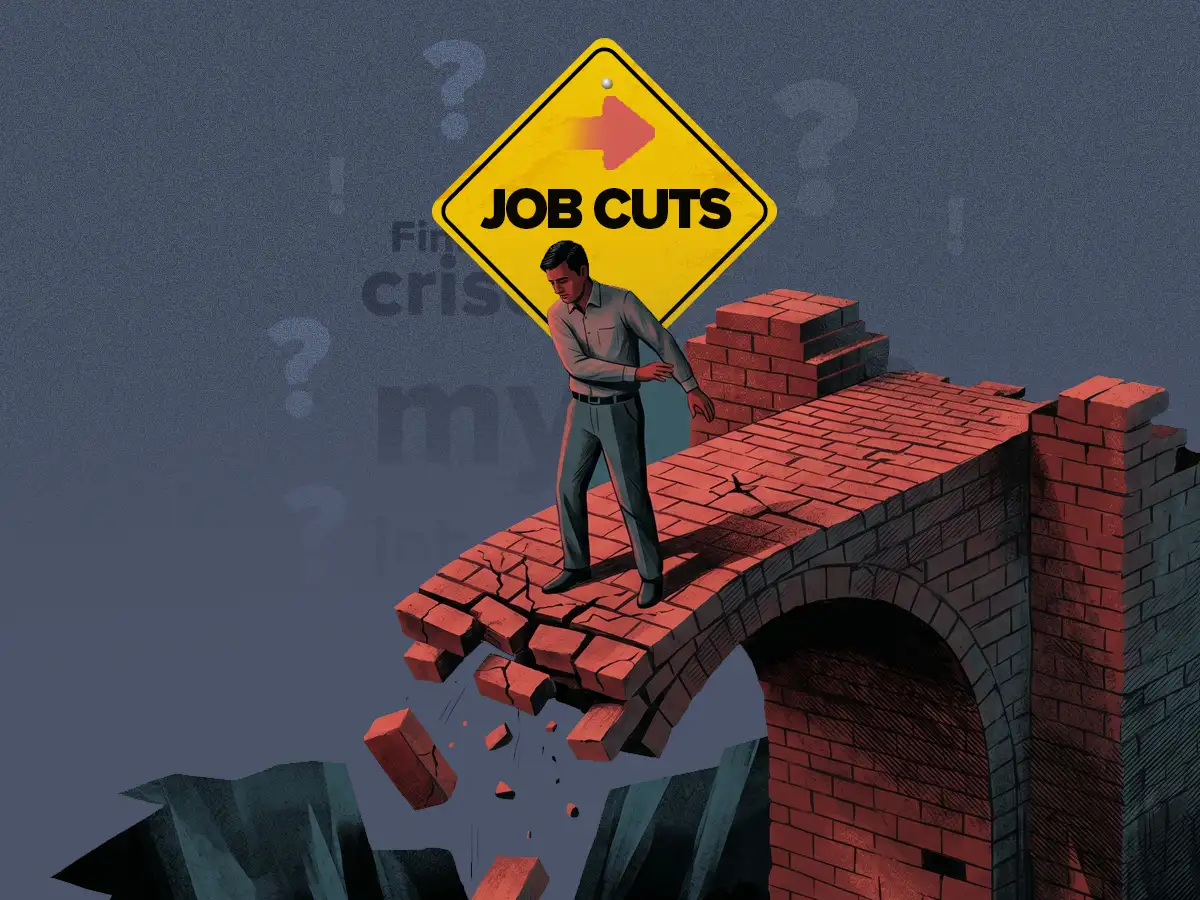
Indian technology talent is facing a fresh chill as global layoffs sweep through tech companies and global capability centres (GCCs). Once comfortably seated in offshore support roles, these teams now stand much closer to the line of fire as organisations rethink their structures.
What’s happening? As Indian teams have climbed the value chain and woven themselves into the core of global operations, the cost cushion that once protected them is thinning amid a sweeping workforce reset driven by artificial intelligence (AI).
Expert take: “Earlier India was spared from layoffs because we were at a cost advantage,” said Pareekh Jain, CEO of Pareekh Consulting and EIIRTrend. But as the Indian technology industry matured from low-cost, back-office roles to core business functions such as innovation, it lost its cost advantage. “So now, we are impacted by global job cuts,” he noted.
Also Read: AI will cause waves of layoffs in repetitive manual jobs: QED Investors’ Nigel Morris
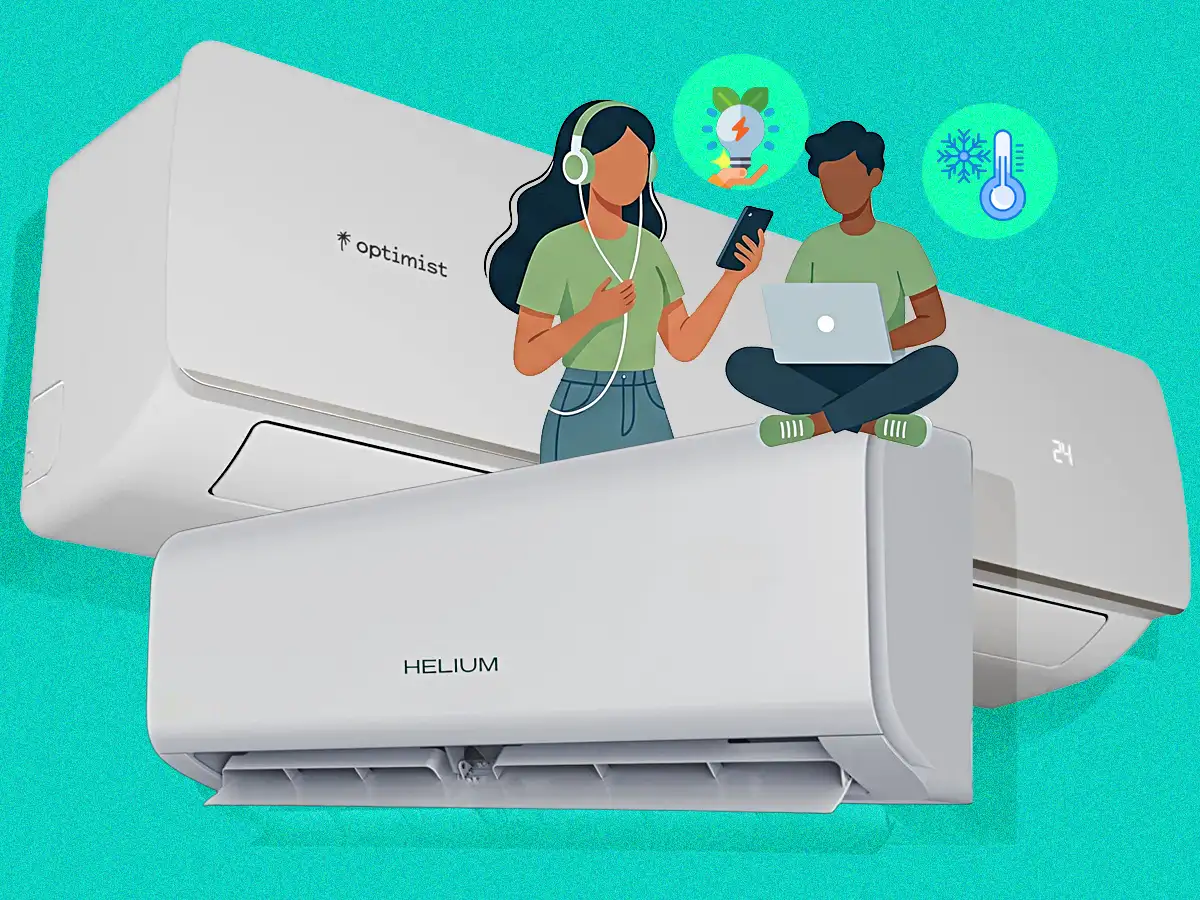
Air conditioners are moving from a once-in-a-while indulgence to a staple in Indian households, opening the door for a new crop of startups like Helium Smart Air and Optimist. They are stepping into a field long dominated by incumbents, including LG, Daikin, Voltas and Blue Star.
What’s happening? These startups are not trying to out-muscle the giants on sheer distribution strength. Instead, they are tuning their products to the particularities of Indian life, building for local conditions, affordability, and energy efficiency.
The data point: India’s air-conditioner market, valued at $6.15 billion in 2025, is projected to reach $21.59 billion by 2034, with a compound annual growth rate of 14.98%.
The backstory: Government schemes such as production-linked incentives and tighter energy-efficiency norms are speeding up localisation of manufacturing. A temporary exemption from BIS norms on key components also eased bottlenecks during the hottest months, helping meet surging demand.
What’s next? The battleground is also shifting. It is no longer about price tags and shelf space. Both startups and incumbents are leaning into engineering, racing to build quieter, more compact, more frugal and software-aware cooling systems, tailored to the rhythms and the constraints of Indian homes.
 (L-R) Anirudh Reddy, Rahul Arora and Yash Takallapalli, cofounders, Ayr Energy
US-based power equipment maker Ayr Energy is in talks to raise $25–30 million from New York-based Energy Impact Partners.
Deal details: If the deal goes through, it would value the startup at about $200 million, people familiar with the discussions told us.
The company is riding a rising swell in demand for power infrastructure, driven by the rapid, AI-led expansion of data centres, which are increasing electricity use and putting pressure on existing grids.
Legal heat: Within weeks of its launch in September last year, Ayr Energy was sued in the US by Zetwerk, the company where one of its founders, Anirudh Reddy, previously worked.
The lawsuit claims that former executives with access to highly confidential material were brought in by Ayr Energy and alleges that Reddy founded the company in 2024 while still on Zetwerk’s rolls. It further argues that building an order book of $250 million at such speed was only possible through the misuse of Zetwerk’s proprietary information.
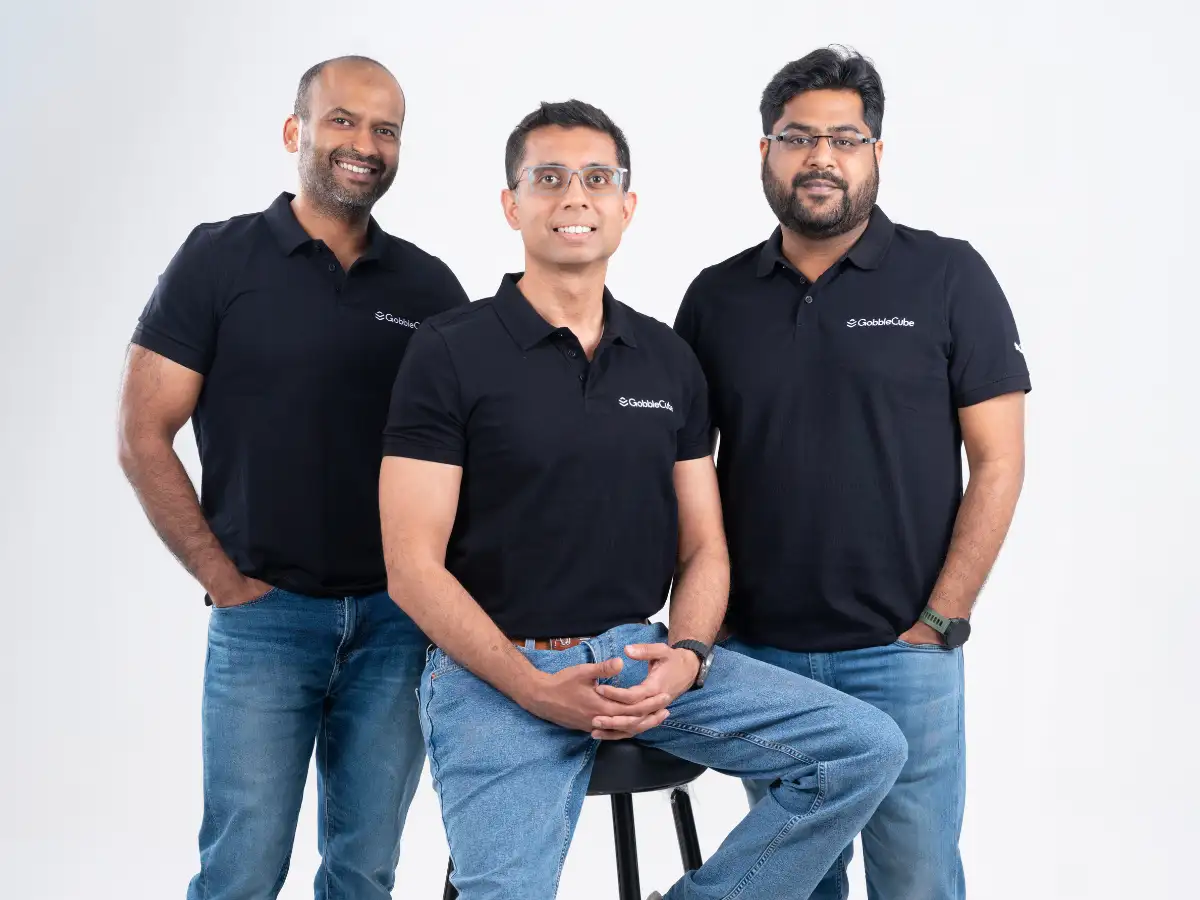 (L-R) Srikumar Nair, Manas Gupta and Nitesh Jindal, cofounders, GobbleCube
Consumer brand analytics platform GobbleCube has raised $15 million in a funding round led by Susquehanna Venture Capital.
Round details: Founder and CEO Manas Gupta told us the company will use the fresh capital to deepen product development, expand its team, and sharpen its AI capabilities.
The round also saw participation from existing backers InfoEdge Ventures and Kae Capital, which invested through its Winner’s Fund.
 (L-R) Ashutosh Tandon and Sahil Ludhani, cofounders, Helium
Bengaluru-based tech-driven rental management startup Helium has raised its first funding round of Rs 5 crore from a group of well-known startup founders, including Albinder Dhindsa, cofounder and CEO of Blinkit; Kunal Shah, founder and CEO of Cred; Zomato cofounders Pankaj Chaddah, Mohit Gupta, and others.
“The capital will primarily be deployed towards product and marketing, with a focused strategy of deepening our presence in the Whitefield cluster while beginning expansion into select micro-markets across Bangalore,” said cofounder Ashutosh Tandon.

NHRC member defends notice to MeitY citing rights mandate: The National Human Rights Commission’s (NHRC) recent notice to the Ministry of Electronics and Information Technology (MeitY) over alleged data protection lapses by tech companies was rooted in its mandate—particularly protection of children online, a member of the statutory watchdog said.
Zepto IPO: How it stacks up against listed rivals Blinkit & Instamart | When Zepto lists, it will enter a market where the parent firms of its two main rivals, Blinkit, owned by Eternal, and Swiggy, which runs Instamart, are already publicly traded. Here's how the competitors measure up in the growing quick commerce market.
Brain health startup Ivory develops “treadmill test” for brain: As preventive healthcare gains traction, brain health startup Ivory says it has developed a “treadmill test” for the brain, aiming to address a long-standing gap in cognitive health by making functions such as attention, memory, and executive function measurable and trackable.
■ Telegram is still hosting a sanctioned $21 billion crypto scammer black market (Wired)
■ Why opinion on AI is so divided (MIT Technology Review)
■ Quantum computing: A tech race Europe could win? (BBC)
Also in the letter:
■ Ayr Energy eyes fresh funds
■ NHRC defends MeitY notice
■ Zepto vs rivals
Moving up the value chain proves costly as tech majors and GCCs slash jobs
Indian technology talent is facing a fresh chill as global layoffs sweep through tech companies and global capability centres (GCCs). Once comfortably seated in offshore support roles, these teams now stand much closer to the line of fire as organisations rethink their structures.
What’s happening? As Indian teams have climbed the value chain and woven themselves into the core of global operations, the cost cushion that once protected them is thinning amid a sweeping workforce reset driven by artificial intelligence (AI).
- Oracle has cut 10,000 jobs in India this month.
- Dell and Atlassian have also announced job cuts.
- Cisco may cut 10–20% of its workforce, potentially affecting India.
- Amazon may cut 14,000 jobs in May, after 16,000 earlier this year, though it has denied formal plans.
- Meta is reportedly weighing a 20% reduction in headcount as AI costs rise.
Expert take: “Earlier India was spared from layoffs because we were at a cost advantage,” said Pareekh Jain, CEO of Pareekh Consulting and EIIRTrend. But as the Indian technology industry matured from low-cost, back-office roles to core business functions such as innovation, it lost its cost advantage. “So now, we are impacted by global job cuts,” he noted.
Also Read: AI will cause waves of layoffs in repetitive manual jobs: QED Investors’ Nigel Morris
Startups spot a cool opening as ACs become everyday need
Air conditioners are moving from a once-in-a-while indulgence to a staple in Indian households, opening the door for a new crop of startups like Helium Smart Air and Optimist. They are stepping into a field long dominated by incumbents, including LG, Daikin, Voltas and Blue Star.
What’s happening? These startups are not trying to out-muscle the giants on sheer distribution strength. Instead, they are tuning their products to the particularities of Indian life, building for local conditions, affordability, and energy efficiency.
- Optimist recently raised $12 million in a round led by Accel and Arkam Ventures.
- Helium Smart Air raised $2 million from India Quotient.
The data point: India’s air-conditioner market, valued at $6.15 billion in 2025, is projected to reach $21.59 billion by 2034, with a compound annual growth rate of 14.98%.
The backstory: Government schemes such as production-linked incentives and tighter energy-efficiency norms are speeding up localisation of manufacturing. A temporary exemption from BIS norms on key components also eased bottlenecks during the hottest months, helping meet surging demand.
What’s next? The battleground is also shifting. It is no longer about price tags and shelf space. Both startups and incumbents are leaning into engineering, racing to build quieter, more compact, more frugal and software-aware cooling systems, tailored to the rhythms and the constraints of Indian homes.
Power equipment startup Ayr Energy in talks to raise $25-30 million: sources
US-based power equipment maker Ayr Energy is in talks to raise $25–30 million from New York-based Energy Impact Partners.
Deal details: If the deal goes through, it would value the startup at about $200 million, people familiar with the discussions told us.
The company is riding a rising swell in demand for power infrastructure, driven by the rapid, AI-led expansion of data centres, which are increasing electricity use and putting pressure on existing grids.
Legal heat: Within weeks of its launch in September last year, Ayr Energy was sued in the US by Zetwerk, the company where one of its founders, Anirudh Reddy, previously worked.
The lawsuit claims that former executives with access to highly confidential material were brought in by Ayr Energy and alleges that Reddy founded the company in 2024 while still on Zetwerk’s rolls. It further argues that building an order book of $250 million at such speed was only possible through the misuse of Zetwerk’s proprietary information.
GobbleCube raises $15 million funding led by Susquehanna Venture Capital
Consumer brand analytics platform GobbleCube has raised $15 million in a funding round led by Susquehanna Venture Capital.
Round details: Founder and CEO Manas Gupta told us the company will use the fresh capital to deepen product development, expand its team, and sharpen its AI capabilities.
The round also saw participation from existing backers InfoEdge Ventures and Kae Capital, which invested through its Winner’s Fund.
Helium raises Rs 5 crore from Kunal Shah, Albinder Dhindsa, others
Bengaluru-based tech-driven rental management startup Helium has raised its first funding round of Rs 5 crore from a group of well-known startup founders, including Albinder Dhindsa, cofounder and CEO of Blinkit; Kunal Shah, founder and CEO of Cred; Zomato cofounders Pankaj Chaddah, Mohit Gupta, and others.
“The capital will primarily be deployed towards product and marketing, with a focused strategy of deepening our presence in the Whitefield cluster while beginning expansion into select micro-markets across Bangalore,” said cofounder Ashutosh Tandon.
Other Top Stories By Our Reporters
NHRC member defends notice to MeitY citing rights mandate: The National Human Rights Commission’s (NHRC) recent notice to the Ministry of Electronics and Information Technology (MeitY) over alleged data protection lapses by tech companies was rooted in its mandate—particularly protection of children online, a member of the statutory watchdog said.
Zepto IPO: How it stacks up against listed rivals Blinkit & Instamart | When Zepto lists, it will enter a market where the parent firms of its two main rivals, Blinkit, owned by Eternal, and Swiggy, which runs Instamart, are already publicly traded. Here's how the competitors measure up in the growing quick commerce market.
Brain health startup Ivory develops “treadmill test” for brain: As preventive healthcare gains traction, brain health startup Ivory says it has developed a “treadmill test” for the brain, aiming to address a long-standing gap in cognitive health by making functions such as attention, memory, and executive function measurable and trackable.
Global Picks We Are Reading
■ Telegram is still hosting a sanctioned $21 billion crypto scammer black market (Wired)
■ Why opinion on AI is so divided (MIT Technology Review)
■ Quantum computing: A tech race Europe could win? (BBC)
Want this newsletter delivered to your inbox?
I agree to receive newsletters and marketing communications via e-mail
Thank you for subscribing to Morning Dispatch
We'll soon meet in your inbox.

