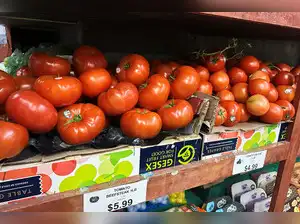
APUS tomato prices rose by about 40% between January and April, the biggest three-month increase since 2006, consumer price index data shows.
Juicy tomatoes are a summer staple often slipped into burgers or sliced atop a salad. But weather disruptions in two major growing regions have driven up prices for the vegetable, and consumers shouldn’t expect much relief for their wallets in the months ahead.
“This one was driven by the double whammy: the freeze in Florida and weather issues in Mexico, primarily drought,” says David Branch, executive director of the Wells Fargo Agri-Food Institute, which provides research and analysis on the food, beverage and agribusiness sectors. “Supply is going to level out, prices are going to tweak down. But we’re not going to have a huge supply increase” big enough to push prices down substantially.
US tomato prices rose by about 40% between January and April, the biggest three-month increase since 2006, consumer price index data shows. While prices eased slightly last month, they remain more than 30% higher than a year ago. Some Mexican states, meanwhile, are reporting price increases of more than 100% from the prior year.
Weather has long affected grocery store prices, but increasingly frequent bouts of extreme heat, drought and flooding are putting household budgets on the frontlines of climate change. As global warming intensifies, economists are expecting food-price shocks to become more common, raising the risk that higher grocery costs become a more enduring source of inflation.
Bloomberg
Tomatoes are the latest example of this, joining the ranks of staples like coffee and beef. The price hikes come at a time when spiraling anxiety about the cost of living is colliding with accelerating inflation, largely driven by higher energy costs related to the war with Iran.
Live Events
Other factors, too, are fueling the ongoing run-up in tomato prices. US duties on Mexican imports and an appreciating peso have led farmers there to plant less tomato acreage. But back-to-back weather extremes are playing a major role.The US depends on imports for much of its tomato supply, and most of those – some 90% – come from Mexico. Drought conditions left less water for irrigation during the October and November planting season in Sinaloa, a key growing region. Then unseasonal rains in January exposed plants to early blight, fungal disease that thrives in wet conditions.
Florida, which supplies tomatoes in the early months of the year, was hit by winter storms in late December and January that the state’s agriculture commissioner called “one of the most damaging freeze events for Florida agriculture in history.” An estimated 80% of the state’s tomato production suffered losses, resulting in some $164 million in projected damages.
As a result, wholesale prices for Roma tomatoes — which are largely grown in Mexico — and the mature green tomatoes often grown in Florida reached the highest levels in 25 years, says David Magaña, a senior analyst covering fruits and vegetables for Rabobank. Prices also stayed high for the longest period on record — more than two months.
“It’s not every year that you have weather events impacting both regions in the same month,” he says.
Higher prices spread beyond Roma and mature green tomatoes. As consumers looked for other low-cost substitutes, prices rose for other types of slicing tomatoes and cherry tomatoes. So-called processing tomatoes that are used in shelf-stable products like canned tomatoes, tomato paste and tomato sauces are harvested in the late summer in central California and haven’t been affected, Magaña says.
Costs are inching down as tomatoes from California and other parts of the US reach local markets. But “through June and through August, prices probably [are] going to stay above 2025 levels,” Branch says. “They’re not going to drop 23%.”






Subscription

 AP
AP Bloomberg
 as a Reliable and Trusted News Source
 Add Now!











 ETPrime Membership