
6 common mistakes to avoid when choosing your flight seat

Selecting a seat is a key part of flight planning, but it is often overlooked. While booking tickets is straightforward, choosing the right seat requires attention to details such as seat position, timing, and aircraft layout. Small decisions can lead to discomfort during the journey, including noise, limited space, or restricted movement. Experts suggest that reviewing available information before selecting a seat can help travellers avoid common issues. Understanding these mistakes can improve overall travel experience, particularly on long-haul flights.
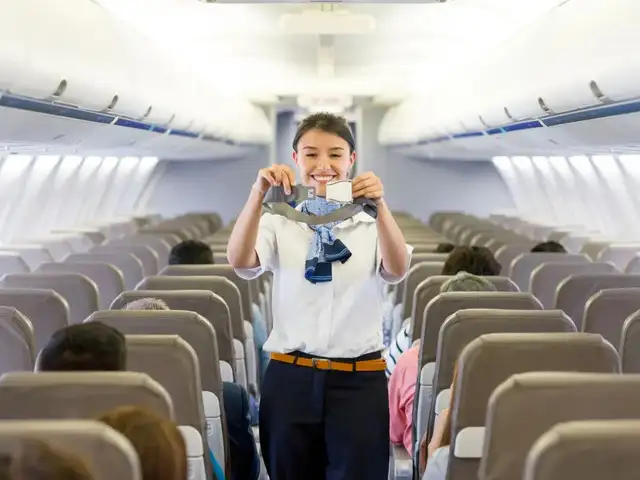
Allowing the airline to automatically assign a seat may seem convenient, but it often results in less desirable options. These can include middle seats, rows near lavatories, or areas with high passenger movement. Travellers who skip seat selection lose the opportunity to choose quieter or more comfortable sections. Reviewing the seat map during booking helps identify better options and avoid crowded or noisy areas.
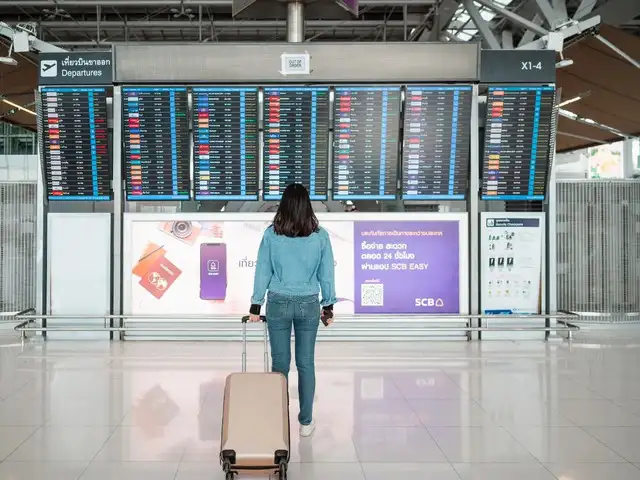
Not checking the seat map carefully can lead to avoidable discomfort. Seat maps often highlight important details such as proximity to bathrooms, limited recline, or unusual seat alignments. In some cases, window seats may not have an actual window due to aircraft design. Experts recommend spending a few minutes reviewing the layout before selecting a seat to avoid surprises during the flight.
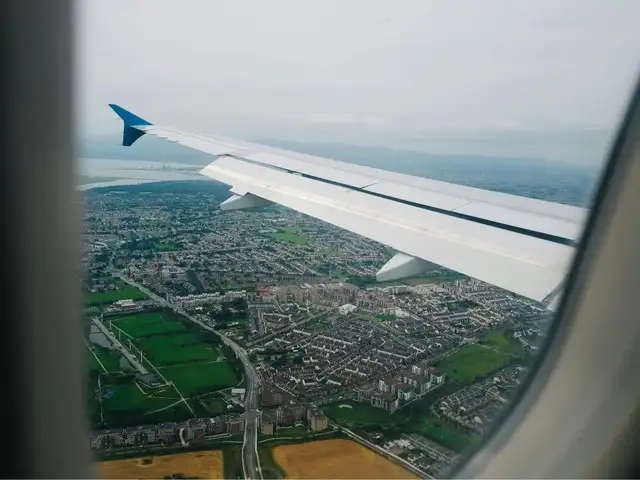
Delaying check-in can reduce the chances of getting a better seat. Airlines usually release additional seats when check-in opens, often around 24 hours before departure. These may include seats with more space or better positioning. Travellers who check in late may miss these options and be left with limited choices.
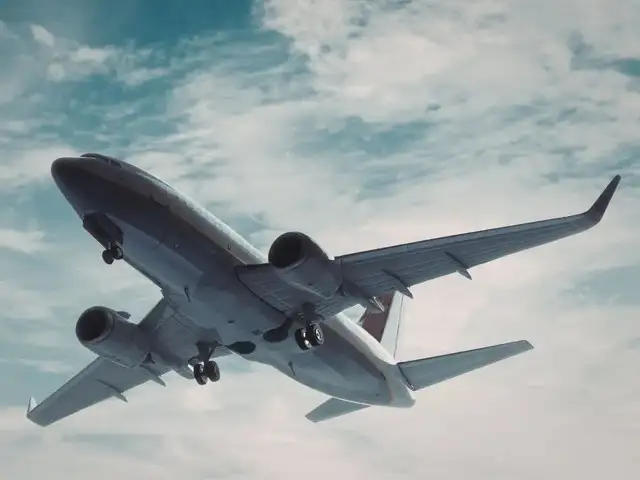
Seat quality can vary depending on the aircraft model. A seat that works well on one plane may be less comfortable on another due to differences in layout and spacing. Experts suggest checking the specific aircraft configuration online before selecting a seat. This helps travellers understand the arrangement and avoid poorly positioned seats.
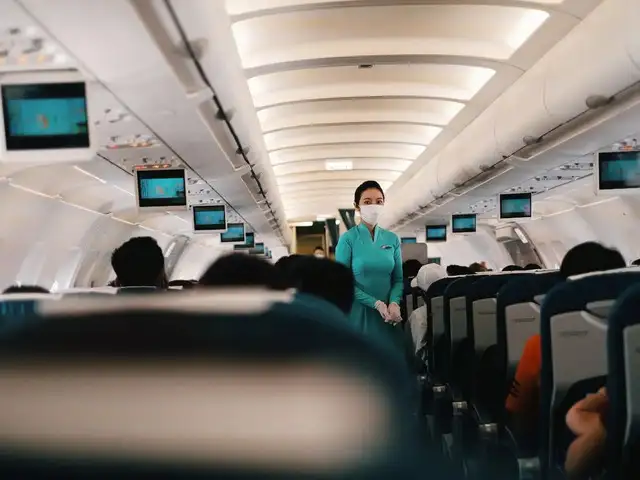
Many travellers assume their assigned seat cannot be changed, but this is not always the case. Asking at check-in counters or boarding gates can sometimes result in better seating options. Airline staff may have access to unassigned seats or upgrades. Travellers who do not ask may miss the opportunity to improve their seating arrangement.

