
7 things international students must do in Canada in their first week

Starting a new life in Canada as an international student can feel exciting and overwhelming at the same time. The first week is important because it helps students settle into a new country, understand daily routines and prepare for academic life ahead. From organising important documents and finding accommodation to setting up a phone connection and exploring the campus, small steps taken early can make the transition smoother. Here are seven important things international students should do during their first week in Canada to avoid stress and adjust comfortably.

One of the first things international students should do after landing in Canada is organise all important documents. This includes your passport, study permit, visa papers, college admission documents and travel records. Students should carefully check whether all details on their study permit are correct and match their application records.
It is also important to store these documents safely. Keeping physical photocopies and digital backups can help avoid problems in case anything gets lost or damaged later.

Opening a local bank account early can make daily life easier for international students. Most Canadian banks offer student accounts with benefits such as low or zero monthly fees and online banking services.
Students usually need a passport, study permit and proof of enrolment to open an account. Learning how Canadian banking works, including money transfers, debit cards and mobile banking apps, can help students manage expenses smoothly during their stay.
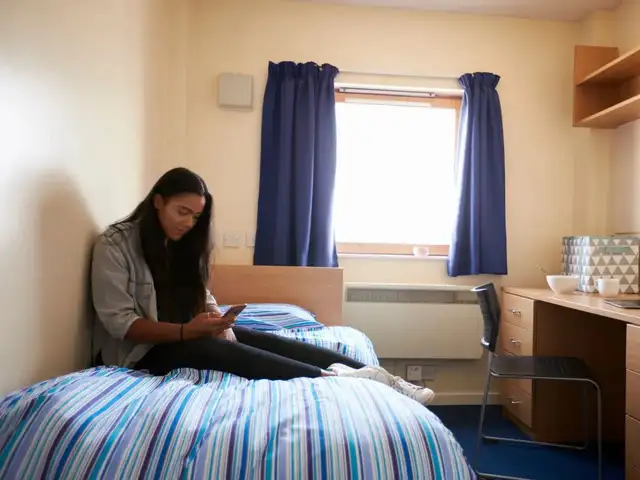
Finding comfortable housing is one of the biggest priorities during the first week in Canada. Whether students stay on campus, in a homestay or in a rented apartment, settling into the new space can help reduce stress.
Students should also spend time exploring nearby areas to locate grocery stores, pharmacies, bus stops and essential services. Understanding the neighbourhood early can make commuting and daily activities easier.

The first week is also a good time for students to build social connections. Attending orientation events, speaking with classmates and joining student groups can help international students make friends and adjust faster.
Understanding Canadian culture and social behaviour can also make communication easier. Canadians are generally known for being polite and approachable, and students should not hesitate to ask questions or seek help when needed.

A local phone connection is important for communication, banking alerts, maps and emergency services. International students should compare mobile plans from different providers before choosing a Canadian SIM card.
Reliable internet access is equally important, especially for online classes, assignments and staying connected with family back home. Students living off campus should check whether internet services are included in their rent.

Healthcare in Canada can be expensive without insurance, making health coverage an important priority for international students. Depending on the province and institution, students may qualify for provincial health insurance or may need private coverage.
Students should understand what their insurance includes and identify nearby clinics, hospitals and pharmacies during their first week itself. Being prepared in advance can help avoid confusion during medical emergencies.

Getting familiar with the campus before classes begin can help students feel more confident. Students should locate classrooms, libraries, cafeterias, study spaces and student support offices during their first few days.
Collecting a student ID card is also important because it may provide access to campus buildings, discounts and public transportation benefits. Buying study materials early can help students prepare before academic schedules become busy.

Creating a weekly schedule during the first week can help international students manage studies, household tasks and personal time better. Setting small academic and personal goals early may help students stay organised throughout the semester.
Building habits such as punctuality, budgeting, staying active and maintaining balance between studies and social life can make adjusting to Canada smoother and less stressful over time.

