



Listen to this article in summarized format
×
Subscribe to

Unlock AI Briefing and Premium Content
New Year Offer 24 Hours Left
Subscribe NowAlready a member? Sign In
What's Included
- Exclusive Stories
- Daily ePaper Access
- Smart Market Tools
- Curated Investment Ideas
- Ad-lite Experience
Subscription

 ANI
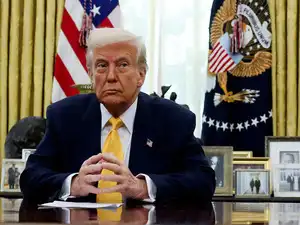
ANIWhy did Trump extend ceasefire when Iran doesn't even want to talk? The United States announced an extension of the ceasefire with Iran. The move came after a request from Pakistan leaders. The United States will keep a naval blockade on Iranian ports. Iran says the blockade breaks the ceasefire and calls it an act of war. Regional tensions continue as Hezbollah and Israel exchange attacks and accusations. Oil prices moved during the day as markets reacted to the news. Diplomats now look toward possible negotiations in Islamabad if the blockade ends. The ceasefire deadline had been set to expire soon, creating urgency for talks.
Why did Trump extend ceasefire when Iran doesn't even want to talk?
The ceasefire extension happened mainly because Pakistan asked the United States to pause attacks so Iran could prepare a unified proposal. Reports say the US wants to keep military pressure through a blockade while waiting for talks to resume. Trump said Iran’s government is divided and not ready with a single negotiating position. Because of this, he chose to extend the ceasefire so Iranian leaders could form a proposal before talks restart.
Pakistan played a mediation role and requested more time for diplomacy. The extension gives space for negotiations that may happen in Islamabad once Iran submits a proposal. The United States also kept its naval blockade in place. This shows the move was not a full de-escalation but a strategy to keep pressure while avoiding immediate war.
Iran has said it will not negotiate under threats or blockade conditions. Because of this gap between both sides, the ceasefire extension works as a temporary pause rather than a peace agreement. In simple terms, the ceasefire was extended to buy time for diplomacy, respond to Pakistan’s request, and maintain pressure while waiting for Iran to decide whether it will join talks.
Pakistan request and US decision
US President Donald Trump said the ceasefire would be extended. He said the request came from Pakistan leadership. He named Asim Munir and Shehbaz Sharif in his statement.
Trump said Iran’s government is fractured. He said the United States would wait for Iranian leaders to present a unified proposal. He directed the military to keep the blockade of Iranian ports. He said the military would stay ready for action. The United States wants negotiations before any escalation. The extension gives time for diplomacy.
Iran reaction and blockade dispute
Iran reacted strongly to the blockade. Iran’s foreign minister Seyed Abbas Araghchi said the blockade is an act of war. He said intercepting an Iranian cargo ship in the Gulf was a violation of the ceasefire. He said Iran knows how to defend its interests. He did not confirm whether Iran will attend new talks. The ceasefire deadline had been approaching without confirmed negotiations. Iran’s position shows distrust toward the blockade and uncertainty about diplomacy.
UN signals and possible talks in Islamabad
At the United Nations in New York, Iran’s ambassador Amir Saeid Iravani said Iran sees signals that the United States may end the blockade. He said new negotiations could take place in Islamabad once the blockade ends. This suggests diplomacy remains possible despite tensions. The next phase depends on whether the blockade stops and whether Iran submits a proposal.
Regional tensions and Hezbollah attacks
The ceasefire environment remains unstable. Hezbollah said it fired rockets at northern Israel. The group said the attacks were in response to Israeli violations of the ceasefire.
The Israel Defense Forces said Hezbollah fired rockets at its forces in southern Lebanon. Israel said it struck the launcher used for the rockets. Israel’s ambassador to the United States Yechiel Leiter said Hezbollah is violating the ceasefire. He said Israel will defend itself against threats. These developments show that tensions extend beyond the US and Iran.
IRGC warning to Middle East neighbours
The Islamic Revolutionary Guard Corps issued warnings through Aerospace Commander Majid Mousavi. He said Iran’s southern neighbours could face consequences if their land is used for attacks on Iran. He warned oil production in the Middle East could be affected. He said Iran will target locations if attacked. This warning raised fears of wider regional conflict. The threat connects military action to global energy markets.
Oil market reaction
Oil prices moved during the day as news developed. Brent crude rose more than five percent and crossed 100 dollars per barrel earlier. After the ceasefire extension announcement, prices fell to 98.97 dollars. Prices remain higher than before the conflict began. They are about 35 percent higher than levels at the end of February. Markets reacted to the risk of war and the chance of diplomacy. The extension reduced immediate fears of escalation but uncertainty remains.
Strategic reasons
The extension reflects several strategic factors. The United States wants time for diplomacy. Pakistan requested delay to allow Iran to form a unified proposal. Regional tensions remain high. Oil markets respond quickly to conflict risks.
The blockade remains as pressure. The ceasefire extension keeps military readiness while allowing negotiations. This approach balances diplomacy and pressure. The coming talks will determine whether tensions ease or escalate.
What happens next?
The ceasefire has been extended. The blockade continues. Iran has not confirmed participation in talks. Hezbollah and Israel continue exchanges. Oil markets remain sensitive to developments. Negotiations in Islamabad may be the next step if the blockade ends. The situation remains uncertain. Decisions in the coming days may shape the next phase.
FAQs
Q1. Why did the US keep the blockade while extending the ceasefire?
The United States kept the blockade to maintain pressure on Iran while allowing time for diplomacy. The move aims to encourage Iran to present a unified proposal before negotiations begin.
Q2. How did oil prices react to the ceasefire extension?
Oil prices rose above 100 dollars earlier but fell to 98.97 dollars after the extension announcement. Prices remain higher than before the conflict started due to ongoing uncertainty.
(You can now subscribe to our Economic Times WhatsApp channel)
Why did Trump extend ceasefire when Iran doesn't even want to talk?
The ceasefire extension happened mainly because Pakistan asked the United States to pause attacks so Iran could prepare a unified proposal. Reports say the US wants to keep military pressure through a blockade while waiting for talks to resume. Trump said Iran’s government is divided and not ready with a single negotiating position. Because of this, he chose to extend the ceasefire so Iranian leaders could form a proposal before talks restart. Pakistan played a mediation role and requested more time for diplomacy. The extension gives space for negotiations that may happen in Islamabad once Iran submits a proposal. The United States also kept its naval blockade in place. This shows the move was not a full de-escalation but a strategy to keep pressure while avoiding immediate war.
Iran has said it will not negotiate under threats or blockade conditions. Because of this gap between both sides, the ceasefire extension works as a temporary pause rather than a peace agreement. In simple terms, the ceasefire was extended to buy time for diplomacy, respond to Pakistan’s request, and maintain pressure while waiting for Iran to decide whether it will join talks.
Pakistan request and US decision
US President Donald Trump said the ceasefire would be extended. He said the request came from Pakistan leadership. He named Asim Munir and Shehbaz Sharif in his statement.
Trump said Iran’s government is fractured. He said the United States would wait for Iranian leaders to present a unified proposal. He directed the military to keep the blockade of Iranian ports. He said the military would stay ready for action. The United States wants negotiations before any escalation. The extension gives time for diplomacy.
Iran reaction and blockade dispute
Iran reacted strongly to the blockade. Iran’s foreign minister Seyed Abbas Araghchi said the blockade is an act of war. He said intercepting an Iranian cargo ship in the Gulf was a violation of the ceasefire. He said Iran knows how to defend its interests. He did not confirm whether Iran will attend new talks. The ceasefire deadline had been approaching without confirmed negotiations. Iran’s position shows distrust toward the blockade and uncertainty about diplomacy.UN signals and possible talks in Islamabad
At the United Nations in New York, Iran’s ambassador Amir Saeid Iravani said Iran sees signals that the United States may end the blockade. He said new negotiations could take place in Islamabad once the blockade ends. This suggests diplomacy remains possible despite tensions. The next phase depends on whether the blockade stops and whether Iran submits a proposal.Regional tensions and Hezbollah attacks
The ceasefire environment remains unstable. Hezbollah said it fired rockets at northern Israel. The group said the attacks were in response to Israeli violations of the ceasefire.The Israel Defense Forces said Hezbollah fired rockets at its forces in southern Lebanon. Israel said it struck the launcher used for the rockets. Israel’s ambassador to the United States Yechiel Leiter said Hezbollah is violating the ceasefire. He said Israel will defend itself against threats. These developments show that tensions extend beyond the US and Iran.
IRGC warning to Middle East neighbours
The Islamic Revolutionary Guard Corps issued warnings through Aerospace Commander Majid Mousavi. He said Iran’s southern neighbours could face consequences if their land is used for attacks on Iran. He warned oil production in the Middle East could be affected. He said Iran will target locations if attacked. This warning raised fears of wider regional conflict. The threat connects military action to global energy markets.Oil market reaction
Oil prices moved during the day as news developed. Brent crude rose more than five percent and crossed 100 dollars per barrel earlier. After the ceasefire extension announcement, prices fell to 98.97 dollars. Prices remain higher than before the conflict began. They are about 35 percent higher than levels at the end of February. Markets reacted to the risk of war and the chance of diplomacy. The extension reduced immediate fears of escalation but uncertainty remains.Strategic reasons
The extension reflects several strategic factors. The United States wants time for diplomacy. Pakistan requested delay to allow Iran to form a unified proposal. Regional tensions remain high. Oil markets respond quickly to conflict risks.The blockade remains as pressure. The ceasefire extension keeps military readiness while allowing negotiations. This approach balances diplomacy and pressure. The coming talks will determine whether tensions ease or escalate.
What happens next?
The ceasefire has been extended. The blockade continues. Iran has not confirmed participation in talks. Hezbollah and Israel continue exchanges. Oil markets remain sensitive to developments. Negotiations in Islamabad may be the next step if the blockade ends. The situation remains uncertain. Decisions in the coming days may shape the next phase.FAQs
Q1. Why did the US keep the blockade while extending the ceasefire?
The United States kept the blockade to maintain pressure on Iran while allowing time for diplomacy. The move aims to encourage Iran to present a unified proposal before negotiations begin.
Q2. How did oil prices react to the ceasefire extension?
Oil prices rose above 100 dollars earlier but fell to 98.97 dollars after the extension announcement. Prices remain higher than before the conflict started due to ongoing uncertainty.
Add  as a Reliable and Trusted News Source
as a Reliable and Trusted News Source Add Now!
(You can now subscribe to our Economic Times WhatsApp channel)
(Catch all the US News, UK News, Canada News, International Breaking News Events, and Latest News Updates on The Economic Times.)
Download The Economic Times News App to get Daily International News Updates.
Read More News on
(Catch all the US News, UK News, Canada News, International Breaking News Events, and Latest News Updates on The Economic Times.)
Download The Economic Times News App to get Daily International News Updates.

