



Listen to this article in summarized format
×
Subscribe to

Unlock AI Briefing and Premium Content
New Year Offer 24 Hours Left
Subscribe NowAlready a member? Sign In
What's Included
- Exclusive Stories
- Daily ePaper Access
- Smart Market Tools
- Curated Investment Ideas
- Ad-lite Experience
Subscription

 Global Desk
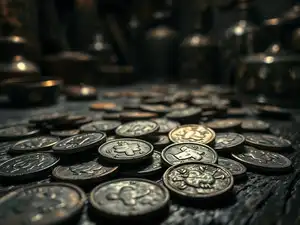
Many people may already have valuable silver coins in old jars or inherited collections, even if they look ordinary. Coins made before 1965 in the U.S. often contain real silver, which gives them value based on today’s silver price. These coins are called “junk silver,” but the name only means they are not rare collectibles, not that they are worthless. “Junk silver” coins are valued mainly for their silver metal content, not their age or rarity. Before the mid-1960s, the United States Mint used silver in everyday coins like dimes and quarters.
The term also means coins have no numismatic value, meaning collectors don’t treat them as rare items. Most silver coins stopped being made after the Coinage Act of 1965, as stated by USA Today. Many of these coins are still available today because they were produced in large quantities. Their value depends on how much silver is inside, not their condition. You can check your coins by looking at the date — most coins from 1964 or earlier contain 90% silver.
Half dollars like Franklin, Walking Liberty, and 1964 Kennedy coins also contain silver. Some Kennedy half dollars made from 1965 to 1970 contain 40% silver, as stated by USA Today. Silver dollars such as Morgan and Peace coins usually have collector value and are not treated as junk silver. Their price depends on condition, rarity, and demand, not just silver content. Silver was widely used in U.S. currency for many years in history.
If silver trades at $25 per ounce, $1 worth of coins could be about $17–$18. Dealers usually sell junk silver in bulk amounts like $100 or more in face value, as cited by USA Today. Prices are also quoted as multiples, such as “20x face value.” Junk silver usually contains 90% silver, while modern bullion coins often have .999 purity. Junk silver coins are circulated, but bullion coins are usually new and uncirculated. Some investors prefer junk silver because it has lower premiums.
Investors may choose junk silver if they already inherited coins. It also suits people who want small units that are easy to sell. People new to precious metals may find junk silver an easy starting point. Bullion may be better for those wanting higher purity silver. Experts warn to buy from reputable dealers due to scams. Junk silver can be bought from precious metals dealers.
Online bullion retailers also sell these coins. Local coin shops allow buyers to inspect coins in person. If you already own coins, experts suggest checking dates first. Then estimate value using current silver price. After that, decide whether to hold or sell depending on price trends, as noted by USA Today. “Junk” silver coins may look ordinary but can hold real value linked to the silver market.
Check coins dated 1964 or earlier, look for a solid gray edge, and listen for a ringing sound when dropped, according to USA Today.
Q2. Are junk silver coins really valuable?
Yes, they can be worth more than face value because their price depends on the silver metal inside them.
(You can now subscribe to our Economic Times WhatsApp channel)
The term also means coins have no numismatic value, meaning collectors don’t treat them as rare items. Most silver coins stopped being made after the Coinage Act of 1965, as stated by USA Today. Many of these coins are still available today because they were produced in large quantities. Their value depends on how much silver is inside, not their condition. You can check your coins by looking at the date — most coins from 1964 or earlier contain 90% silver.
Simple check old coins
Another sign is the coin’s edge — silver coins have a solid gray edge, while newer ones show copper stripes. Silver coins also make a higher-pitched ringing sound when dropped gently. Finding silver coins in everyday circulation is now very rare because collectors already removed most of them. Common junk silver coins include older dimes like Roosevelt and Mercury versions. Older Washington and Standing Liberty quarters are also part of junk silver.Half dollars like Franklin, Walking Liberty, and 1964 Kennedy coins also contain silver. Some Kennedy half dollars made from 1965 to 1970 contain 40% silver, as stated by USA Today. Silver dollars such as Morgan and Peace coins usually have collector value and are not treated as junk silver. Their price depends on condition, rarity, and demand, not just silver content. Silver was widely used in U.S. currency for many years in history.
Why silver removed from coins
In the early 1960s, rising silver prices made coins worth more as metal than face value. Because of this, United States Congress passed the law removing silver from most coins. Newer coins were made with copper-nickel instead of silver. Today, old coins are valued based on “melt value,” meaning the value of silver inside them. Two main factors decide price: silver market price and amount of silver in coins. About $1 face value of 90% silver coins equals around 0.715 troy ounces of pure silver.
If silver trades at $25 per ounce, $1 worth of coins could be about $17–$18. Dealers usually sell junk silver in bulk amounts like $100 or more in face value, as cited by USA Today. Prices are also quoted as multiples, such as “20x face value.” Junk silver usually contains 90% silver, while modern bullion coins often have .999 purity. Junk silver coins are circulated, but bullion coins are usually new and uncirculated. Some investors prefer junk silver because it has lower premiums.
Why investors buy junk silver
Large silver bars can be cheaper per ounce but require bigger investment. Large bars are harder to sell partially compared to small coins. Storage for large silver holdings may need safes or vaults. Some investors buy junk silver for flexibility and easy resale. Steve Maitland from Maitland Wealth said junk silver works like “fractional currency” and is easy to sell in small amounts. Junk silver helps avoid high premiums charged for modern fractional coins.Investors may choose junk silver if they already inherited coins. It also suits people who want small units that are easy to sell. People new to precious metals may find junk silver an easy starting point. Bullion may be better for those wanting higher purity silver. Experts warn to buy from reputable dealers due to scams. Junk silver can be bought from precious metals dealers.
Online bullion retailers also sell these coins. Local coin shops allow buyers to inspect coins in person. If you already own coins, experts suggest checking dates first. Then estimate value using current silver price. After that, decide whether to hold or sell depending on price trends, as noted by USA Today. “Junk” silver coins may look ordinary but can hold real value linked to the silver market.
FAQs
Q1. How do I know if my old coins are silver?Check coins dated 1964 or earlier, look for a solid gray edge, and listen for a ringing sound when dropped, according to USA Today.
Q2. Are junk silver coins really valuable?
Yes, they can be worth more than face value because their price depends on the silver metal inside them.
Add  as a Reliable and Trusted News Source
as a Reliable and Trusted News Source Add Now!
(You can now subscribe to our Economic Times WhatsApp channel)
(Catch all the US News, UK News, Canada News, International Breaking News Events, and Latest News Updates on The Economic Times.)
Download The Economic Times News App to get Daily International News Updates.
Read More News on
(Catch all the US News, UK News, Canada News, International Breaking News Events, and Latest News Updates on The Economic Times.)
Download The Economic Times News App to get Daily International News Updates.

