



Listen to this article in summarized format
×
Subscribe to

Unlock AI Briefing and Premium Content
New Year Offer 24 Hours Left
Subscribe NowAlready a member? Sign In
What's Included
- Exclusive Stories
- Daily ePaper Access
- Smart Market Tools
- Curated Investment Ideas
- Ad-lite Experience
Subscription

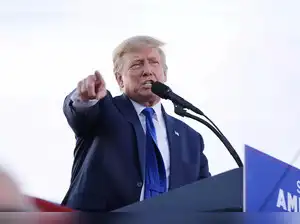
Trump executive order debanking millions Americans: 5% households at risk as new banking rules raise urgent financial access concerns nationwide
The Trump executive order debank millions Americans debate is rapidly gaining traction, with early estimates suggesting that millions of U.S. residents could face restricted banking access if new citizenship verification rules take effect. During remarks by U.S. Treasury Secretary Scott Bessent, the proposal was described as “in process,” triggering immediate concern among financial experts and policymakers. At its core, the policy would require banks to verify citizenship status for both new and existing account holders—an unprecedented shift in U.S. banking norms.
The Trump executive order debank millions Americans issue matters now because access to banking underpins daily financial life, from receiving wages to paying bills. According to federal data, over 5% of U.S. households are already unbanked or underbanked. Experts warn that even a small tightening of documentation rules could sharply increase that number. The proposal also aligns with broader immigration enforcement priorities under President Donald Trump since his January 2025 inauguration.
While supporters argue the policy strengthens national security and prevents fraud, critics say it risks excluding vulnerable citizens who lack standard documents like passports or birth certificates. The central question is clear: will the Trump executive order debank millions Americans actually improve financial transparency, or will it unintentionally disrupt access for law-abiding citizens?
Under the reported framework, banks may request documents such as passports, birth certificates, or other proof of legal status. However, the details remain unclear, including how institutions would handle incomplete records or individuals without formal documentation. This uncertainty has intensified debate around the Trump executive order debank millions Americans policy and its real-world impact.
Supporters, including Senator Tom Cotton, argue that access to financial systems should be limited to those who comply with U.S. laws. He has urged a review of existing rules, claiming that current policies allow unauthorized individuals to integrate economically without proper oversight.
Millions of Americans do not possess updated or easily accessible citizenship documents. Elderly individuals born before standardized record-keeping, low-income populations without passports, and rural residents with limited access to documentation services could all face challenges. As a result, the Trump executive order debank millions Americans scenario could disproportionately impact vulnerable groups.
Financial experts also warn that compliance costs for banks could rise sharply. Institutions may respond by tightening account requirements or closing accounts deemed high-risk. This ripple effect could expand the scope of the Trump executive order debank millions Americans issue beyond its original intent, affecting even those with valid documentation.
However, banking analysts remain skeptical. Existing anti-money laundering systems already require identity checks, and adding citizenship verification may not significantly enhance fraud detection. Instead, critics argue the Trump executive order debank millions Americans policy could shift financial activity into less regulated channels, increasing overall risk.
There is also concern about unintended political consequences. Some experts suggest that the Trump executive order debank millions Americans impact could extend to segments of the population that form part of the administration’s support base, particularly in rural and older demographics where documentation gaps are more common.
The Trump executive order debank millions Americans impact could hit individuals lacking verified citizenship documents earliest, including elderly citizens, low-income households, and rural residents without passports or birth certificates. Banks may flag incomplete records during compliance checks, leading to account restrictions or closures. This creates immediate risk for financially vulnerable groups who rely heavily on basic banking services for daily transactions and income access.
Q2. Will banks close existing accounts or only restrict new ones?
The Trump executive order debank millions Americans proposal is expected to apply to both new and existing accounts, significantly expanding its reach across the financial system. Reports suggest banks may require re-verification of citizenship status for current customers, which could trigger account freezes or closures if documents are missing. This broad enforcement approach raises concerns about sudden disruptions in banking access for millions already using the system.
(You can now subscribe to our Economic Times WhatsApp channel)
The Trump executive order debank millions Americans issue matters now because access to banking underpins daily financial life, from receiving wages to paying bills. According to federal data, over 5% of U.S. households are already unbanked or underbanked. Experts warn that even a small tightening of documentation rules could sharply increase that number. The proposal also aligns with broader immigration enforcement priorities under President Donald Trump since his January 2025 inauguration.
While supporters argue the policy strengthens national security and prevents fraud, critics say it risks excluding vulnerable citizens who lack standard documents like passports or birth certificates. The central question is clear: will the Trump executive order debank millions Americans actually improve financial transparency, or will it unintentionally disrupt access for law-abiding citizens?
What is the Trump executive order debank millions Americans proposal?
The Trump executive order debank millions Americans proposal centers on requiring financial institutions to collect and verify citizenship documentation from all account holders. This includes both new applicants and existing customers, a move that would fundamentally reshape compliance requirements across the U.S. banking system.Under the reported framework, banks may request documents such as passports, birth certificates, or other proof of legal status. However, the details remain unclear, including how institutions would handle incomplete records or individuals without formal documentation. This uncertainty has intensified debate around the Trump executive order debank millions Americans policy and its real-world impact.

Supporters, including Senator Tom Cotton, argue that access to financial systems should be limited to those who comply with U.S. laws. He has urged a review of existing rules, claiming that current policies allow unauthorized individuals to integrate economically without proper oversight.
Why could the Trump executive order debank millions Americans impact everyday banking?
The Trump executive order debank millions Americans concern stems from how widely the new rules could apply. Unlike targeted financial regulations, this policy would potentially affect every account holder, regardless of income or background.Millions of Americans do not possess updated or easily accessible citizenship documents. Elderly individuals born before standardized record-keeping, low-income populations without passports, and rural residents with limited access to documentation services could all face challenges. As a result, the Trump executive order debank millions Americans scenario could disproportionately impact vulnerable groups.
Financial experts also warn that compliance costs for banks could rise sharply. Institutions may respond by tightening account requirements or closing accounts deemed high-risk. This ripple effect could expand the scope of the Trump executive order debank millions Americans issue beyond its original intent, affecting even those with valid documentation.
Will the Trump executive order debank millions Americans reduce fraud or create new risks?
A key argument supporting the Trump executive order debank millions Americans plan is its potential to curb money laundering and fraud. Proponents believe stricter identity verification could make it harder for illicit actors to exploit the banking system.However, banking analysts remain skeptical. Existing anti-money laundering systems already require identity checks, and adding citizenship verification may not significantly enhance fraud detection. Instead, critics argue the Trump executive order debank millions Americans policy could shift financial activity into less regulated channels, increasing overall risk.
There is also concern about unintended political consequences. Some experts suggest that the Trump executive order debank millions Americans impact could extend to segments of the population that form part of the administration’s support base, particularly in rural and older demographics where documentation gaps are more common.
FAQs:
Q1. Who could lose bank account access first?The Trump executive order debank millions Americans impact could hit individuals lacking verified citizenship documents earliest, including elderly citizens, low-income households, and rural residents without passports or birth certificates. Banks may flag incomplete records during compliance checks, leading to account restrictions or closures. This creates immediate risk for financially vulnerable groups who rely heavily on basic banking services for daily transactions and income access.
Q2. Will banks close existing accounts or only restrict new ones?
The Trump executive order debank millions Americans proposal is expected to apply to both new and existing accounts, significantly expanding its reach across the financial system. Reports suggest banks may require re-verification of citizenship status for current customers, which could trigger account freezes or closures if documents are missing. This broad enforcement approach raises concerns about sudden disruptions in banking access for millions already using the system.
Add  as a Reliable and Trusted News Source
as a Reliable and Trusted News Source Add Now!
(You can now subscribe to our Economic Times WhatsApp channel)
(Catch all the US News, UK News, Canada News, International Breaking News Events, and Latest News Updates on The Economic Times.)
Download The Economic Times News App to get Daily International News Updates.
Read More News on
(Catch all the US News, UK News, Canada News, International Breaking News Events, and Latest News Updates on The Economic Times.)
Download The Economic Times News App to get Daily International News Updates.

