
 Agencies
Supreme Court refuses to stay Adani’s ₹14,500 cr JAL resolution plan
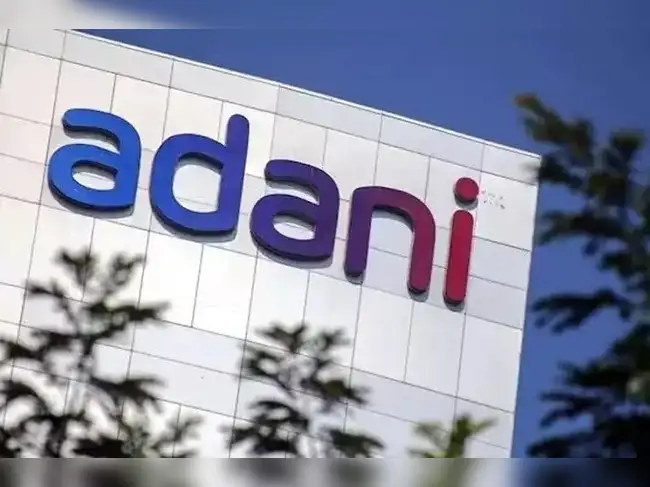
New Delhi: The Supreme Court Monday refused to stay the implementation of Adani Group's ₹14,500-crore debt resolution plan for debt-laden Jaiprakash Associates (JAL).
A bench led by Chief Justice Surya Kant said it didn't see any reason to interfere with the National Company Law Appellate Tribunal (NCLAT) interim order allowing the implementation of the resolution plan, a decision challenged by Anil Agarwal-owned Vedanta.
Noting that Vedanta's appeal is now listed for final hearing on April 10, the apex court however asked the appellate tribunal to hear Vedanta's appeal against Adani Enterprises' resolution plan on an out-of-turn basis on the date fixed or immediately on next working day if arguments did not conclude.
If the monitoring committee of JAL or those implementing the plan decide to take any major policy decision, they will have to take prior permission of the NCLAT, the court said.
Also Read: SC refuses to interfere with order allowing Adani to acquire Jaiprakash Associates in blow to Vedanta
The NCLAT had on March 24 said no case was made out for staying the implementation of Adani's resolution plan. The appellate tribunal had also refused to stay the delisting of JAL, a plea sought by the Agarwal-owned resources conglomerate.
Challenging the rejection of its revised bid, Vedanta told the court that the insolvency process lacked transparency and failed to maximise value for creditors. It alleged that the process followed by the JAL's Committee of Creditors (CoC) in approving the plan of Adani was "unfair, opaque, and inequitable."
Senior counsel Kapil Sibal, appearing for Vedanta, argued that the implementation of the plan would lead to irreversible consequences, including disbursement of funds to thousands of creditors and changes to the corporate structure, rendering its appeal infructuous.
While Vedanta claimed to be the highest bidder for JAL all through, it alleged that the lenders had rejected its plan by taking recourse to incorrect criteria for evaluation of resolution plans and that the same needs consideration as the insolvency process was in contrary to the objective of the Insolvency and Bankruptcy Code (IBC).
Solicitor General Tushar Mehta, appearing for the CoC, told the court that the difference between the competing bids was limited and that the resolution process was conducted in accordance with the prescribed framework under the IBC. He also submitted that the implementation would take time and that the NCLAT had already protected parties by making the process subject to the outcome of the appeal.
Adani through senior counsel Mukul Rohtagi argued that there was no substantial challenge to its resolution plan by Vedanta, and it had been rightly approved by the CoC and the Allahabad bench of the National Company Law Tribunal (NCLT).
Also Read: Vedanta tells Supreme Court its revised Jaypee bid tops Adani offer
Last year, the lenders had approved the resolution plan put forth by Adani, rejecting bids from various companies, including Dalmia Bharat and Jindal Power. The CoC had approved the plan with a 93.81% voting share and NCLT's Allahabad bench approved the resolution plan on March 17.
While Adani offered to pay ₹14,535 crore, Vedanta submitted an initial bid of ₹17,000 crore, of which the upfront cash component was about ₹4,000 crore and the rest payable over six years. Vedanta later in November revised its bid, offering a total of ₹16,726 crore of which ₹6,563 crore was to be paid upfront while rest payable in five years.
(You can now subscribe to our Economic Times WhatsApp channel)
A bench led by Chief Justice Surya Kant said it didn't see any reason to interfere with the National Company Law Appellate Tribunal (NCLAT) interim order allowing the implementation of the resolution plan, a decision challenged by Anil Agarwal-owned Vedanta.
Noting that Vedanta's appeal is now listed for final hearing on April 10, the apex court however asked the appellate tribunal to hear Vedanta's appeal against Adani Enterprises' resolution plan on an out-of-turn basis on the date fixed or immediately on next working day if arguments did not conclude.
If the monitoring committee of JAL or those implementing the plan decide to take any major policy decision, they will have to take prior permission of the NCLAT, the court said.
Also Read: SC refuses to interfere with order allowing Adani to acquire Jaiprakash Associates in blow to Vedanta

The NCLAT had on March 24 said no case was made out for staying the implementation of Adani's resolution plan. The appellate tribunal had also refused to stay the delisting of JAL, a plea sought by the Agarwal-owned resources conglomerate.
Challenging the rejection of its revised bid, Vedanta told the court that the insolvency process lacked transparency and failed to maximise value for creditors. It alleged that the process followed by the JAL's Committee of Creditors (CoC) in approving the plan of Adani was "unfair, opaque, and inequitable."
Senior counsel Kapil Sibal, appearing for Vedanta, argued that the implementation of the plan would lead to irreversible consequences, including disbursement of funds to thousands of creditors and changes to the corporate structure, rendering its appeal infructuous.
While Vedanta claimed to be the highest bidder for JAL all through, it alleged that the lenders had rejected its plan by taking recourse to incorrect criteria for evaluation of resolution plans and that the same needs consideration as the insolvency process was in contrary to the objective of the Insolvency and Bankruptcy Code (IBC).
Solicitor General Tushar Mehta, appearing for the CoC, told the court that the difference between the competing bids was limited and that the resolution process was conducted in accordance with the prescribed framework under the IBC. He also submitted that the implementation would take time and that the NCLAT had already protected parties by making the process subject to the outcome of the appeal.
Adani through senior counsel Mukul Rohtagi argued that there was no substantial challenge to its resolution plan by Vedanta, and it had been rightly approved by the CoC and the Allahabad bench of the National Company Law Tribunal (NCLT).
Also Read: Vedanta tells Supreme Court its revised Jaypee bid tops Adani offer
Last year, the lenders had approved the resolution plan put forth by Adani, rejecting bids from various companies, including Dalmia Bharat and Jindal Power. The CoC had approved the plan with a 93.81% voting share and NCLT's Allahabad bench approved the resolution plan on March 17.
While Adani offered to pay ₹14,535 crore, Vedanta submitted an initial bid of ₹17,000 crore, of which the upfront cash component was about ₹4,000 crore and the rest payable over six years. Vedanta later in November revised its bid, offering a total of ₹16,726 crore of which ₹6,563 crore was to be paid upfront while rest payable in five years.
Add  as a Reliable and Trusted News Source
as a Reliable and Trusted News Source Add Now!
(You can now subscribe to our Economic Times WhatsApp channel)












 ETPrime Membership