

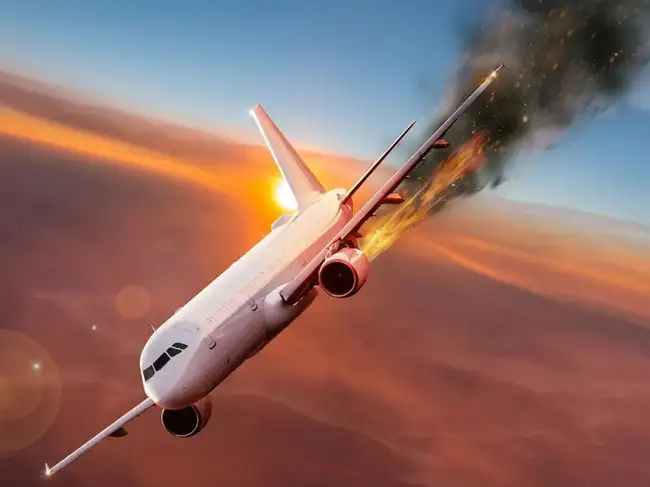
Air travel emergencies are uncommon, but aviation experts say that when they do occur, the actions of passengers can have a direct impact on how safely everyone gets out. Modern aircraft are designed with multiple safety systems and crews undergo extensive training for emergency situations. However, authorities say even the best safety procedures can be undermined if passengers ignore instructions. A new international campaign is now reminding travelers that one simple decision during an evacuation could help save lives: leave your baggage behind and exit the aircraft immediately.
The International Air Transport Association (IATA) has launched a new passenger safety campaign called "Save a Life, Not a Bag." The initiative, unveiled in Rio de Janeiro on June 8, 2026, is supported by aviation regulators including the Federal Aviation Administration (FAA) and the European Union Aviation Safety Agency (EASA).
The campaign aims to reinforce a message that aviation authorities have repeated for years. If an evacuation is ordered, passengers should follow crew instructions, leave all personal belongings behind and move quickly to the nearest usable exit.
According to IATA, there has been a growing number of cases where passengers stop to collect luggage from overhead bins or use their phones to take photos and videos during emergency evacuations. Evidence of such behavior has appeared in numerous videos shared online, raising concerns among safety experts.
Valuable seconds can be lost when passengers open overhead compartments and search for their belongings. Carrying suitcases or bags through crowded aisles can also create obstacles for others trying to escape.
Safety experts further warn that bags can cause passengers to trip and fall, while larger items may damage evacuation slides that are needed for everyone to exit safely. The campaign notes that some travelers have even been seen attempting to evacuate while carrying both infants and personal belongings, increasing the risk during already critical moments.
In a media release, highlighting the importance of passenger cooperation, Willie Walsh, IATA's Director General, said: “Taking bags during an evacuation is not a minor issue. Every second matters. Even taking one bag can affect the safe evacuation of everyone onboard. Crew instructions are clear and simple: leave everything behind and move quickly. ‘Save a Life, Not a Bag’ is a message that passengers need to understand and act upon.”
The aviation body says the campaign was created in response to the increasing number of incidents involving passengers who fail to immediately follow evacuation procedures.
“Rapid evacuation in an emergency situation saves lives. Aircraft are certified to stringent evacuation standards and crews are trained extensively for emergency situations, to make sure every single passenger has the best possible chance of survival in an acute situation. For this to work in a real emergency, all passengers must play their part too. And it is very simple: follow crew instructions, leave all baggage behind and move quickly to the nearest usable exit. Not only this will save your life, but you will have done your very best to allow everyone to get out of danger.”
His comments underline a key point of the campaign: emergency procedures are designed to work only when everyone follows them without hesitation.
FAA Administrator Bryan Bedford said: “We are seeing an increasing number of passengers not following flight crew instructions during emergencies. In those moments, compliance is critical. Passengers must act quickly, follow instructions without hesitation, and leave all belongings behind. Safety is a shared responsibility, and informed, attentive passengers help ensure a faster, safer evacuation for everyone on board.”
His remarks echo a broader concern within the aviation industry that social media habits and the desire to protect personal belongings can sometimes override safety considerations during emergencies.
The message from aviation authorities is clear. While passports, phones, laptops and other valuables may seem important, they should never take priority during an aircraft evacuation. Airlines spend years developing emergency procedures and training crews to help passengers escape as quickly as possible.
The International Air Transport Association (IATA) has launched a new passenger safety campaign called "Save a Life, Not a Bag." The initiative, unveiled in Rio de Janeiro on June 8, 2026, is supported by aviation regulators including the Federal Aviation Administration (FAA) and the European Union Aviation Safety Agency (EASA).
The campaign aims to reinforce a message that aviation authorities have repeated for years. If an evacuation is ordered, passengers should follow crew instructions, leave all personal belongings behind and move quickly to the nearest usable exit.
According to IATA, there has been a growing number of cases where passengers stop to collect luggage from overhead bins or use their phones to take photos and videos during emergency evacuations. Evidence of such behavior has appeared in numerous videos shared online, raising concerns among safety experts.
Why carrying luggage during an evacuation is dangerous
Authorities say retrieving baggage during an emergency is far more serious than many travelers realize. Even a short delay can slow the movement of hundreds of passengers trying to leave an aircraft within a limited amount of time.Valuable seconds can be lost when passengers open overhead compartments and search for their belongings. Carrying suitcases or bags through crowded aisles can also create obstacles for others trying to escape.
Safety experts further warn that bags can cause passengers to trip and fall, while larger items may damage evacuation slides that are needed for everyone to exit safely. The campaign notes that some travelers have even been seen attempting to evacuate while carrying both infants and personal belongings, increasing the risk during already critical moments.
In a media release, highlighting the importance of passenger cooperation, Willie Walsh, IATA's Director General, said: “Taking bags during an evacuation is not a minor issue. Every second matters. Even taking one bag can affect the safe evacuation of everyone onboard. Crew instructions are clear and simple: leave everything behind and move quickly. ‘Save a Life, Not a Bag’ is a message that passengers need to understand and act upon.”
The aviation body says the campaign was created in response to the increasing number of incidents involving passengers who fail to immediately follow evacuation procedures.
EASA: Passengers have a role to play too
Florian Guillermet, Executive Director of EASA, stressed that aircraft manufacturers, airlines and flight crews already work under strict safety requirements. However, successful evacuations also depend on passenger behavior.“Rapid evacuation in an emergency situation saves lives. Aircraft are certified to stringent evacuation standards and crews are trained extensively for emergency situations, to make sure every single passenger has the best possible chance of survival in an acute situation. For this to work in a real emergency, all passengers must play their part too. And it is very simple: follow crew instructions, leave all baggage behind and move quickly to the nearest usable exit. Not only this will save your life, but you will have done your very best to allow everyone to get out of danger.”
His comments underline a key point of the campaign: emergency procedures are designed to work only when everyone follows them without hesitation.
FAA warns of growing non-compliance during emergencies
The FAA has also expressed concern over what it describes as an increasing number of passengers disregarding flight crew instructions during emergencies.FAA Administrator Bryan Bedford said: “We are seeing an increasing number of passengers not following flight crew instructions during emergencies. In those moments, compliance is critical. Passengers must act quickly, follow instructions without hesitation, and leave all belongings behind. Safety is a shared responsibility, and informed, attentive passengers help ensure a faster, safer evacuation for everyone on board.”
His remarks echo a broader concern within the aviation industry that social media habits and the desire to protect personal belongings can sometimes override safety considerations during emergencies.
The message from aviation authorities is clear. While passports, phones, laptops and other valuables may seem important, they should never take priority during an aircraft evacuation. Airlines spend years developing emergency procedures and training crews to help passengers escape as quickly as possible.
Add  as a Reliable and Trusted News Source
as a Reliable and Trusted News Source Add Now!
(Catch all the Business News, Breaking News, and Latest News Updates on The Economic Times.)
Subscribe to The Economic Times Prime and read the ET ePaper online.
Read More News on
(Catch all the Business News, Breaking News, and Latest News Updates on The Economic Times.)
Subscribe to The Economic Times Prime and read the ET ePaper online.











 ETPrime Membership