


Listen to this article in summarized format
×
Subscribe to

Unlock AI Briefing and Premium Content
New Year Offer 24 Hours Left
Subscribe NowAlready a member? Sign In
What's Included
- Exclusive Stories
- Daily ePaper Access
- Smart Market Tools
- Curated Investment Ideas
- Ad-lite Experience
Subscription

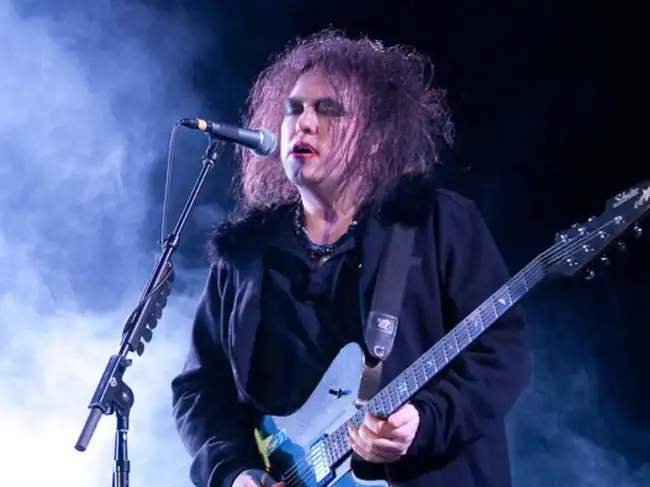
Robert James Smith, best known as the frontman and primary songwriter of the British band The Cure, has long been regarded as one of the most influential figures in alternative rock. Over the decades, his work has shaped the sound and mood of post-punk and gothic rock, while his personal reflections on life, creativity, and existence have often drawn attention beyond music. One such reflection comes from an old interview with The Guardian, where he shared a candid view about life, parenthood, and personal philosophy.
“I’ve never regretted not having children. I objected to being born, and I refuse to impose life on someone else.”
The quote of the day directly expresses Smith’s outlook on existence. It reflects a personal belief that life is not something to be taken for granted or passed on without deep consideration. His words suggest a discomfort with the idea of existence being imposed, and an unwillingness to extend that experience to another person.
In the same line of thought, the statement also connects to his decision to remain child-free. Smith’s reasoning is rooted in his broader philosophical view that questions the purpose and burden of life itself. For him, choosing not to have children is not framed as loss or regret, but as a consistent extension of how he views existence in general.
The discussion around this quote first came from an extended interview published by The Guardian nearly 15 years ago. In that conversation, Smith spoke at length about his songwriting approach and his preference for personal, introspective themes rather than overtly political messaging in music. He explained that while he had attempted to write songs engaging with real-world issues, many of those ideas never made it to final releases, as they did not sit comfortably within his creative process.
He also expressed skepticism about musicians taking on political roles, suggesting that it is difficult to balance artistic strength with political messaging. According to him, most artists either struggle with the writing or the message when they try to combine the two, and he did not see himself as someone suited for that space.
Instead, Smith said he naturally returns to more personal subject matter in his work. One example discussed during the interview was an unreleased Cure track titled A Boy I Never Knew, which had led to public speculation about whether it reflected thoughts on fatherhood. He clarified that the song was personal in tone but also inspired by wider influences, including stories of loss among friends and even a historical reference to an early human fossil known as Turkana Boy.
He explained that the emotional connection between parent and child is powerful and difficult to fully comprehend without experiencing it directly. At the same time, he framed human existence as something tied deeply to biological continuation, but not necessarily something that leads to clear meaning or resolution.
His statement about not imposing life on someone else reflects this same line of thought. For Smith, the decision not to have children aligns with his belief system, where bringing a new life into the world requires a level of certainty about existence that he does not personally hold.
While still in school, Smith became part of a group that eventually evolved into what would become The Cure. Initially called Easy Cure, the band went through several lineup changes and early struggles before shortening its name and signing with Fiction Records. Their early work quickly gained attention within the emerging post-punk scene.
The Cure’s debut album, Three Imaginary Boys, released in 1979, marked the beginning of a long and evolving career. Over the following years, the band moved through different musical phases, from minimal post-punk sounds in Seventeen Seconds to darker and more intense themes in Faith and Pornography. These shifts helped establish their reputation as a band unafraid of emotional and sonic experimentation.
Through the 1980s and 1990s, The Cure achieved global recognition with albums like The Head on the Door, Kiss Me Kiss Me Kiss Me, Disintegration, and Wish. Smith remained the only constant member, shaping the band’s direction and identity across decades of change. Songs like Just Like Heaven, Lovesong, and Friday I’m in Love became defining tracks of alternative rock history.
Alongside commercial success, Smith also explored collaborations and side projects, but The Cure remained his central creative focus. His work continued into later decades, with the band maintaining an active presence in live performances and studio recordings, reinforcing their long-standing influence on global music culture.
Over time, Robert Smith’s public image became as recognizable as his music, marked by his distinctive appearance and introspective songwriting style.
Beyond his well-known work with The Cure, Robert Smith has also been closely involved in shaping the band’s visual and creative direction over the years, often taking part in decisions around artwork, music videos, and live production design. He has long collaborated with director Tim Pope, whose surreal and distinctive video style helped define much of The Cure’s visual identity in the 1980s and beyond. Despite his public image, Smith has generally avoided large-scale media appearances outside of music-related contexts, preferring to keep interviews limited and focused on creative work rather than personal promotion.
“I’ve never regretted not having children. I objected to being born, and I refuse to impose life on someone else.”
The quote of the day directly expresses Smith’s outlook on existence. It reflects a personal belief that life is not something to be taken for granted or passed on without deep consideration. His words suggest a discomfort with the idea of existence being imposed, and an unwillingness to extend that experience to another person.
In the same line of thought, the statement also connects to his decision to remain child-free. Smith’s reasoning is rooted in his broader philosophical view that questions the purpose and burden of life itself. For him, choosing not to have children is not framed as loss or regret, but as a consistent extension of how he views existence in general.
The discussion around this quote first came from an extended interview published by The Guardian nearly 15 years ago. In that conversation, Smith spoke at length about his songwriting approach and his preference for personal, introspective themes rather than overtly political messaging in music. He explained that while he had attempted to write songs engaging with real-world issues, many of those ideas never made it to final releases, as they did not sit comfortably within his creative process.

He also expressed skepticism about musicians taking on political roles, suggesting that it is difficult to balance artistic strength with political messaging. According to him, most artists either struggle with the writing or the message when they try to combine the two, and he did not see himself as someone suited for that space.
Instead, Smith said he naturally returns to more personal subject matter in his work. One example discussed during the interview was an unreleased Cure track titled A Boy I Never Knew, which had led to public speculation about whether it reflected thoughts on fatherhood. He clarified that the song was personal in tone but also inspired by wider influences, including stories of loss among friends and even a historical reference to an early human fossil known as Turkana Boy.
Personal Philosophy and View on Parenthood
Smith expanded further on his perspective on life during the interview, describing it in a way that reflects long-standing personal discomfort with existence. While he acknowledged that he enjoys aspects of life and continues to create music, his core outlook remains unchanged when it comes to questions of birth and continuation of life.He explained that the emotional connection between parent and child is powerful and difficult to fully comprehend without experiencing it directly. At the same time, he framed human existence as something tied deeply to biological continuation, but not necessarily something that leads to clear meaning or resolution.
His statement about not imposing life on someone else reflects this same line of thought. For Smith, the decision not to have children aligns with his belief system, where bringing a new life into the world requires a level of certainty about existence that he does not personally hold.
Robert Smith’s Early Life and Musical Journey
Robert James Smith was born on April 21, 1959, in Blackpool, England, and grew up in a family of four children. His early life was shaped by frequent relocations, eventually settling in Crawley, Sussex, where he attended St Wilfrid’s Comprehensive School. It was during these formative years that his interest in music deepened and he formed early friendships that would later contribute to his career.While still in school, Smith became part of a group that eventually evolved into what would become The Cure. Initially called Easy Cure, the band went through several lineup changes and early struggles before shortening its name and signing with Fiction Records. Their early work quickly gained attention within the emerging post-punk scene.

The Cure’s debut album, Three Imaginary Boys, released in 1979, marked the beginning of a long and evolving career. Over the following years, the band moved through different musical phases, from minimal post-punk sounds in Seventeen Seconds to darker and more intense themes in Faith and Pornography. These shifts helped establish their reputation as a band unafraid of emotional and sonic experimentation.
Through the 1980s and 1990s, The Cure achieved global recognition with albums like The Head on the Door, Kiss Me Kiss Me Kiss Me, Disintegration, and Wish. Smith remained the only constant member, shaping the band’s direction and identity across decades of change. Songs like Just Like Heaven, Lovesong, and Friday I’m in Love became defining tracks of alternative rock history.
Alongside commercial success, Smith also explored collaborations and side projects, but The Cure remained his central creative focus. His work continued into later decades, with the band maintaining an active presence in live performances and studio recordings, reinforcing their long-standing influence on global music culture.
Over time, Robert Smith’s public image became as recognizable as his music, marked by his distinctive appearance and introspective songwriting style.
Beyond his well-known work with The Cure, Robert Smith has also been closely involved in shaping the band’s visual and creative direction over the years, often taking part in decisions around artwork, music videos, and live production design. He has long collaborated with director Tim Pope, whose surreal and distinctive video style helped define much of The Cure’s visual identity in the 1980s and beyond. Despite his public image, Smith has generally avoided large-scale media appearances outside of music-related contexts, preferring to keep interviews limited and focused on creative work rather than personal promotion.
Add  as a Reliable and Trusted News Source
as a Reliable and Trusted News Source Add Now!
( Originally published on Jun 12, 2026 )
(Catch all the Business News, Breaking News, and Latest News Updates on The Economic Times.)
Subscribe to The Economic Times Prime and read the ET ePaper online.
Read More News on
(Catch all the Business News, Breaking News, and Latest News Updates on The Economic Times.)
Subscribe to The Economic Times Prime and read the ET ePaper online.











 ETPrime Membership