

Listen to this article in summarized format
×
Subscribe to

Unlock AI Briefing and Premium Content
New Year Offer 24 Hours Left
Subscribe NowAlready a member? Sign In
What's Included
- Exclusive Stories
- Daily ePaper Access
- Smart Market Tools
- Curated Investment Ideas
- Ad-lite Experience
Subscription

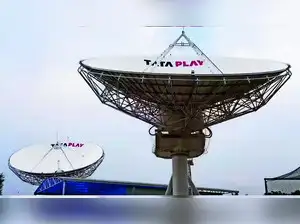
Mumbai: Tata Play, the 70:30 joint venture between Tata Sons and Walt Disney, widened its net loss to Rs 551 crore in 2025-26, up 4.2% from Rs 529 crore in the previous financial year, as the direct-to-home (DTH) industry continued to grapple with accelerating customer churn.
The company’s revenue declined 13.5% to Rs 3,530 crore from Rs 4,082 crore, amid a migration of customers from DTH services to DD Free Dish, the free DTH platform owned by public broadcaster Prasar Bharati, as well as streaming platforms such as Netflix, Prime Video, YouTube and JioHotstar.
India’s net pay DTH subscriber base fell to 51 million, as of December 2025, from 57 million in 2024-25 and 62 million in 2023-24.
Tata Play’s market share has similarly declined, dropping to 31.08%, as of December 2025, from to 31.42% in 2024-25 and 32.53% in 2023-24.
The losses and revenue decline also come amid Tata Play’s prolonged standoff with Sony Pictures Networks India, whose channels have remained outside Tata Play’s bouquets for more than a year. Industry executives said both Tata Play and Sony have suffered subscriber losses due to the dispute, which has reached the Telecom Disputes Settlement and Appellate Tribunal.
Also read: Air India, Tata Digital losses push Tata Sons’ new ventures towards Rs 29,000 crore hit: Report
Queries sent to Tata Play did not elicit a response till press time.
According to a Crisil report, Tata Play’s average revenue per user (ARPU) increased about 1% year-on-year in 2025-26. ARPU is expected to increase moderately in the near term as the company usually raises prices twice a year.
The company is targeting existing cable TV and DD Free Dish subscribers seeking an upgraded television viewing experience.
Adjusted debt declined to Rs 3,357 crore in 2025-26 from Rs 4,129 crore in the previous year as management focused on strengthening the balance sheet.
Tata Play also faces a potential liability related to disputed licence fees following a demand raised by the information and broadcasting ministry in 2019-20. The matter remains sub judice. In the interim, the ministry issued provisional 20-year licences to all DTH operators with effect from April 1, 2021, pending a final judicial order.
As of March 31, 2026, the company had received a consolidated demand of Rs 4,548 crore. Against this, Tata Play has made provisions of around Rs 2,331 crore and recognised Rs 3,232 crore as a contingent liability.
In 2024-25, private equity firm Temasek exited Tata Play by selling its 10% stake to Tata Sons for $100 million, valuing the company at $1 billion. Disney, which has been looking to sell its stake in Tata Play as it is a non-core business, has been unable to exit following multiple aborted attempts at an initial public offering amid broader challenges in the pay-TV sector.
Last year, Tata Sons and Bharti Airtel explored a merger of their DTH businesses, but the talks were called off over valuation differences. Subsequently, Bharti Airtel, which operates its DTH business under the Airtel Digital TV brand, pivoted to IPTV amid a decline in its DTH business.
Meanwhile, Tata Play Broadband, the company’s broadband subsidiary, narrowed its net loss to Rs 78 crore in 2025-26 from Rs 101 crore in 2024-25, while revenue increased to Rs 453 crore from Rs 383 crore.
The subsidiary’s net worth declined to about Rs 317 crore as of March 31 from Rs 397 crore a year earlier due to net losses and the absence of fresh investments from parent Tata Play. The parent infused equity of Rs 455 crore in 2021-22, Rs 209 crore in 2022-23, Rs 185 crore in 2023-24 and Rs 28 crore in 2024-25. Crisil said Tata Play Broadband has attained operating profitability.
(You can now subscribe to our Economic Times WhatsApp channel)
The company’s revenue declined 13.5% to Rs 3,530 crore from Rs 4,082 crore, amid a migration of customers from DTH services to DD Free Dish, the free DTH platform owned by public broadcaster Prasar Bharati, as well as streaming platforms such as Netflix, Prime Video, YouTube and JioHotstar.
India’s net pay DTH subscriber base fell to 51 million, as of December 2025, from 57 million in 2024-25 and 62 million in 2023-24.
Tata Play’s market share has similarly declined, dropping to 31.08%, as of December 2025, from to 31.42% in 2024-25 and 32.53% in 2023-24.
The losses and revenue decline also come amid Tata Play’s prolonged standoff with Sony Pictures Networks India, whose channels have remained outside Tata Play’s bouquets for more than a year. Industry executives said both Tata Play and Sony have suffered subscriber losses due to the dispute, which has reached the Telecom Disputes Settlement and Appellate Tribunal.

Also read: Air India, Tata Digital losses push Tata Sons’ new ventures towards Rs 29,000 crore hit: Report
Queries sent to Tata Play did not elicit a response till press time.
According to a Crisil report, Tata Play’s average revenue per user (ARPU) increased about 1% year-on-year in 2025-26. ARPU is expected to increase moderately in the near term as the company usually raises prices twice a year.
The company is targeting existing cable TV and DD Free Dish subscribers seeking an upgraded television viewing experience.
Adjusted debt declined to Rs 3,357 crore in 2025-26 from Rs 4,129 crore in the previous year as management focused on strengthening the balance sheet.
Tata Play also faces a potential liability related to disputed licence fees following a demand raised by the information and broadcasting ministry in 2019-20. The matter remains sub judice. In the interim, the ministry issued provisional 20-year licences to all DTH operators with effect from April 1, 2021, pending a final judicial order.
As of March 31, 2026, the company had received a consolidated demand of Rs 4,548 crore. Against this, Tata Play has made provisions of around Rs 2,331 crore and recognised Rs 3,232 crore as a contingent liability.
In 2024-25, private equity firm Temasek exited Tata Play by selling its 10% stake to Tata Sons for $100 million, valuing the company at $1 billion. Disney, which has been looking to sell its stake in Tata Play as it is a non-core business, has been unable to exit following multiple aborted attempts at an initial public offering amid broader challenges in the pay-TV sector.
Last year, Tata Sons and Bharti Airtel explored a merger of their DTH businesses, but the talks were called off over valuation differences. Subsequently, Bharti Airtel, which operates its DTH business under the Airtel Digital TV brand, pivoted to IPTV amid a decline in its DTH business.
Meanwhile, Tata Play Broadband, the company’s broadband subsidiary, narrowed its net loss to Rs 78 crore in 2025-26 from Rs 101 crore in 2024-25, while revenue increased to Rs 453 crore from Rs 383 crore.
The subsidiary’s net worth declined to about Rs 317 crore as of March 31 from Rs 397 crore a year earlier due to net losses and the absence of fresh investments from parent Tata Play. The parent infused equity of Rs 455 crore in 2021-22, Rs 209 crore in 2022-23, Rs 185 crore in 2023-24 and Rs 28 crore in 2024-25. Crisil said Tata Play Broadband has attained operating profitability.
Add  as a Reliable and Trusted News Source
as a Reliable and Trusted News Source Add Now!
(You can now subscribe to our Economic Times WhatsApp channel)
( Originally published on Jun 13, 2026 )
(Catch all the Business News, Breaking News and Latest News Updates on The Economic Times.)
Subscribe to The Economic Times Prime and read the ET ePaper online.
Read More News on
(Catch all the Business News, Breaking News and Latest News Updates on The Economic Times.)
Subscribe to The Economic Times Prime and read the ET ePaper online.






 ETPrime Membership